Why Injury Prevention Matters for Every Athlete
For most athletes, progress is often lost to tight calves, rolling ankles, unstable shoulders, or fatigue. Injury prevention should be a regular part of training, not just used for rehab.
This applies to everyone, whether you are a weekend athlete, a college player balancing sports and school, an endurance runner, or a lifter working to get stronger. Keeping track of your training load, recovery, and how you move is key to avoiding injuries and setbacks. Experts agree that athletes do best when they balance training and recovery and track their progress over time rather than guessing each day.
To help you select the best tools, this guide covers the top 5 injury-prevention tools for athletes. You’ll learn who they help most, where the science is strongest, and how to build a smart prevention kit without overspending. Let’s begin by looking at why certain tools deserve a spot in your kit.
Tool #1 – Foam Rollers & Massage Guns
Why they deserve a spot in your kit
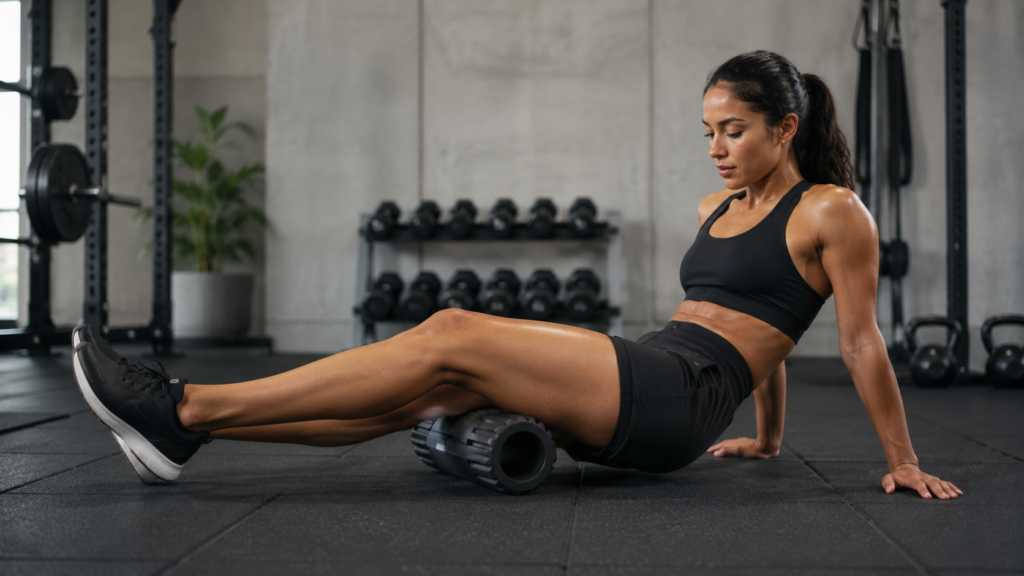
Foam rollers and massage guns are popular because they are practical, easy to use at home, and helpful for athletes who feel stiff or have a limited range of motion. Research shows foam rolling is more proven than massage guns. Studies suggest that foam rolling can improve flexibility, reduce muscle soreness, and support recovery without hurting your next workout.
That makes a foam roller one of the best low-cost tools you can buy if you want to improve movement before workouts or ease stiffness after tough sessions. It is not a miracle cure that “breaks up scar tissue,” as some ads claim, but it can help you move better and feel less sore between workouts. Runners often use it for calves, quads, and glutes, while lifters focus on the upper back, lats, hips, and quads. Recent reviews suggest that percussion therapy can improve short-term flexibility, reduce soreness, or improve perceived recovery in some cases.
Best for
Foam rollers and massage guns are best for:
- Athletes who feel chronically stiff before training
- Endurance athletes managing repetitive lower-body soreness.
- Lifters who need better warm-up quality
- Team-sport athletes who want a fast recovery routine between practices
What to buy first
If you are building from scratch, buy an electric foam roller first. It provides more evidence-based value and delivers the best return for your investment. If you have extra budget, add a massage gun for convenience and targeted use. It is the highest-value starting point for athletes seeking better mobility and reduced day-to-day stiffness.
>ELECTRIC FOAM ROLLER<
>MASSAGE GUN<
>FOAM ROLLER<
Tool #2 – Resistance Bands
Why bands are underrated
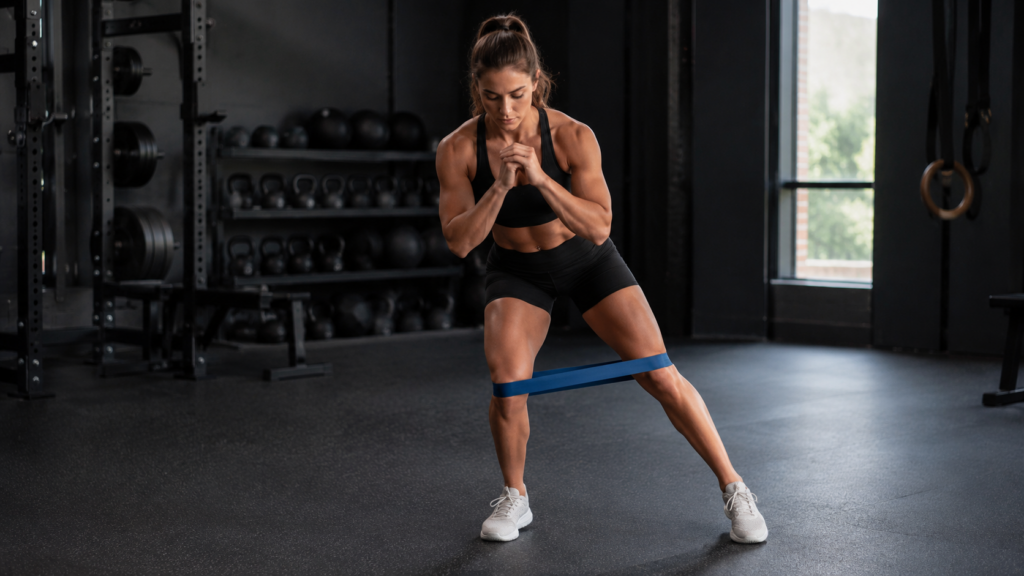
Resistance bands might not look exciting, but they are one of the best tools here. They are valuable for injury prevention because they help you train the smaller stabilizing muscles and movement patterns that athletes often ignore until pain starts.
Studies show that resistance bands can give similar strength gains to regular weights in many situations. This makes them great for extra exercises, injury prevention, and training while traveling.
Bands are especially helpful for strengthening muscles that often cause strains and overuse injuries, like the glute medius, rotator cuff, hip and scapular stabilizers, and hamstrings. New research also shows that some band exercises can help reduce knee stress and lower the risk of leg injuries.
This is important because many athletes focus on big movements like squats, sprints, and jumps, but do not spend enough time on the smaller muscles that keep joints stable when tired.
Best for
Resistance bands are best for:
- Athletes with recurring hip, knee, or shoulder irritation
- Student athletes who need low-cost, portable tools
- Runners who need better glute and ankle support work
- Lifters who need warm-up activation and accessory training
Best band setup
A basic setup is usually best:
- One mini band for glute and hip activation
- one long loop band for assistance, mobility, and pulling patterns
- one light therapy band for shoulders and rehab-style work
A small set of bands is one of the most affordable and useful things you can buy as an athlete. If you want to avoid injuries from weak spots, bands are well worth their price. Now, let’s move on to how balance and proprioception tools fit into a well-rounded prevention approach.
Tool #3 – Balance Boards & Stability Trainers
Why proprioception training matters
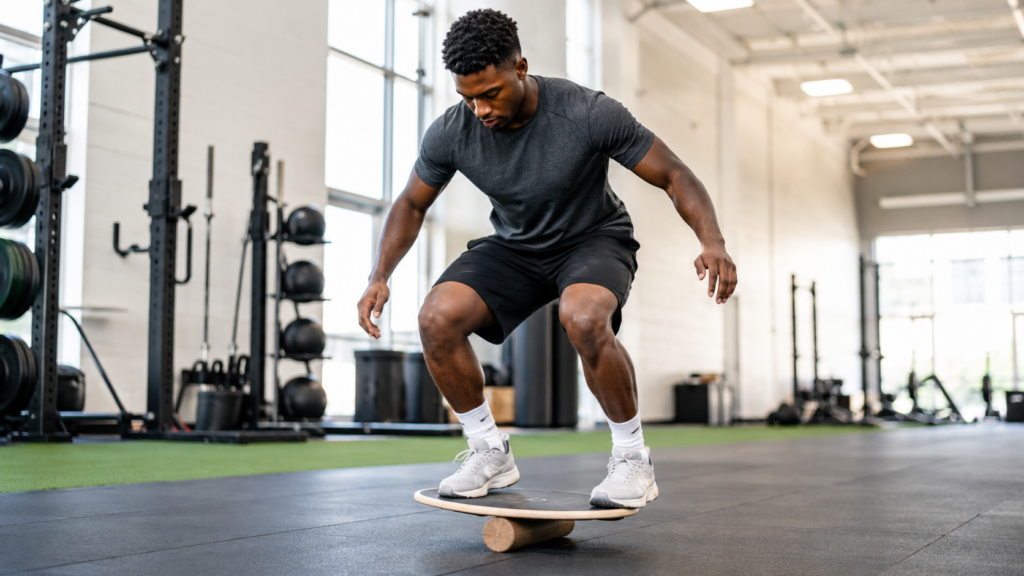
Balance boards and stability trainers are not only for rehab clinics. They help athletes improve balance, coordination, and joint control, especially in the feet, ankles, knees, and hips. This is important because many injuries happen when athletes lose control during fast or unexpected movements.
A classic review on neuromuscular training found evidence that proprioceptive and neuromuscular training can reduce the incidence of certain sports injuries. Additional research on proprioceptive training programs has also shown value in lowering ankle and knee sprain risk in some athletic populations.
This is especially helpful for athletes who have had ankle sprains or often feel unsteady on their ankles. After one sprain, the risk of another goes up, but balance training is a simple way to help prevent it. New studies also show that balance exercises can improve overall athletic performance, not just help with rehab.
Best for
Balance boards and stability trainers are best for:
- court and field sport athletes who cut and change direction often
- runners with ankle instability history
- skiers, trail runners, and obstacle-course athletes
- Anyone coming back from previous ankle or knee issues.
How to use them.
These tools are most effective when used for short, regular sessions. Just five to ten minutes a few times a week can make a difference. Try single-leg balance, controlled reaches, squats on unstable surfaces, or drills that match your sport. They should not replace strength training, but they are a great addition.
Tool #4 – Compression Gear & Ice Baths
What they do well, and where the hype goes too far
Compression gear and cold-water tools are often misunderstood. They can be helpful, but it is important to have realistic expectations.
Compression garments are most useful for helping you feel better and reducing strength or power loss after tough workouts. Research shows they may help with recovery, especially after resistance training and over longer periods. However, the benefits are not huge, and they are more about supporting recovery than making you a better athlete right away.
That makes compression gear most useful for:
- tournament weekends
- travel-heavy schedules
- back-to-back training days
- athletes who want to feel less wrecked after demanding sessions
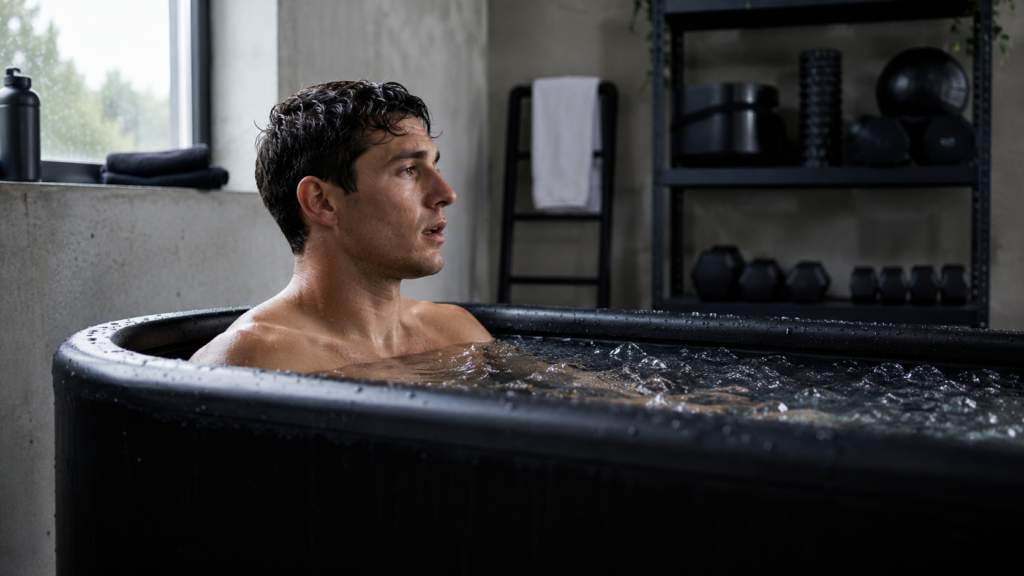
Cold-water immersion and ice baths are a bit more complex. They can help reduce soreness and make you feel fresher in the short term, especially during heavy training or competitions. However, using ice baths right after resistance training too often may slow down muscle growth. So, while they can help you recover quickly, they are not the best everyday choice if building muscle is your main goal.
Best for
Compression gear and ice baths are best for:
- athletes in-season who need a rapid turnaround
- endurance athletes during heavy blocks or multi-day events
- contact-sport athletes managing soreness
- Travelers dealing with swollen legs or heavy fatigue
Best buying strategy
If you have to pick one, start with compression gear. It is more practical, less expensive, and easier to use regularly. Ice baths are better saved for special situations, not daily use.
For most athletes, compression boots, socks, or tights are a smarter first recovery purchase than a cold-plunge setup. They are cheaper, easier to use, and fit real life much better. To round out your toolkit, consider devices that help you monitor your training and recovery.
Tool #5 – Smart Wearables & Motion Sensors
Why monitoring can prevent stupid mistakes
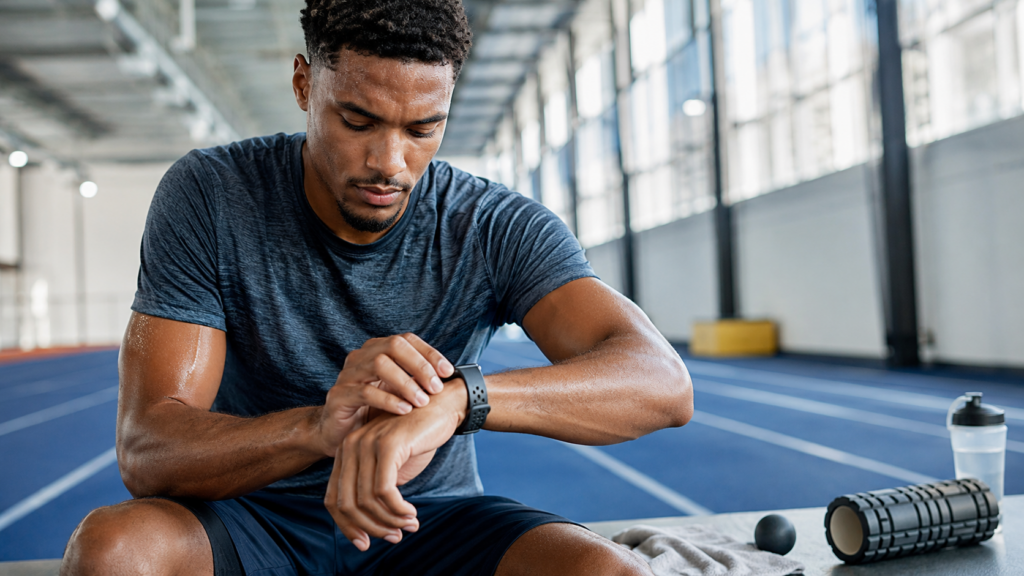
Smart wearables and motion sensors are not just cool gadgets. They are useful because they can spot patterns that athletes often miss, like increasing workload, poor sleep, lower readiness, sloppy movement, or building fatigue.
Experts agree that tracking your training load is important because it helps coaches and athletes understand how the body is adapting, how tired you are, what recovery you need, and your risk of injury. Studies also show that wearables can track both how much you do and how your body responds, which helps you make better training choices.
Wearables cannot predict injuries for sure, but they can help you notice warning signs earlier, such as:
- Sudden spikes in training volume
- Poor sleep trends
- Worsening readiness or HRV trends
- Asymmetries in movement
- Repeated fatigue signals after hard blocks
For endurance athletes, this could mean tracking training load and readiness. Team-sport athletes might use sensors to monitor workload and movement. Lifters can use recovery wearables to avoid pushing too hard when their body is not ready.
Best for
Wearables and motion sensors are best for:
- athletes with a history of overdoing the load too quickly
- data-driven endurance athletes
- Team-sport athletes managing dense schedules
- lifters and hybrid athletes who want clearer recovery feedback
What to watch out for
The risk is relying too much on the device instead of your own judgment. Wearables are tools to help you, not replacements for your own thinking, coaching, or listening to your body. Use them to guide your choices, not to make decisions for you. With thoughtful use, each tool discussed can help you train smarter, recover better, and stay ahead of injuries.
If you already train hard but still feel like recovery is guesswork, a good wearable may be the best purchase on this list because it helps you catch fatigue before it becomes lost training time.
>WHOOP 5.0<
>GARMIN FORERUNNER 265<
>APPLE WATCH ULTRA 3<
Building Your Injury Prevention Kit for Long-Term Athletic Performance
Many athletes think injury prevention only matters after they get hurt, but the healthiest athletes build small protective habits before problems start. They use recovery tools to stay flexible, strength tools to fix weak spots, balance tools for better control, recovery aids for tough weeks, and monitoring tools to avoid overtraining.
The main takeaway from these top 5 injury prevention tools is that tools cannot replace good training plans, enough sleep, or smart recovery. However, the right tools make it easier to stick to these habits. In the long run, staying consistent is what keeps you strong and able to keep training and competing.
If you want the best value for your money, start simple, choose tools you will really use, and focus on your sport’s most common weak spots. This is the best way to train longer without always dealing with injuries.