Author: Ultimate Athlete Recovery

  • Top 5 Best Injury Prevention Tools for Athletes: Stay Strong, Train Longer

    Top 5 Best Injury Prevention Tools for Athletes: Stay Strong, Train Longer

    Why Injury Prevention Matters for Every Athlete

    For most athletes, progress is often lost to tight calves, rolling ankles, unstable shoulders, or fatigue. Injury prevention should be a regular part of training, not just used for rehab.

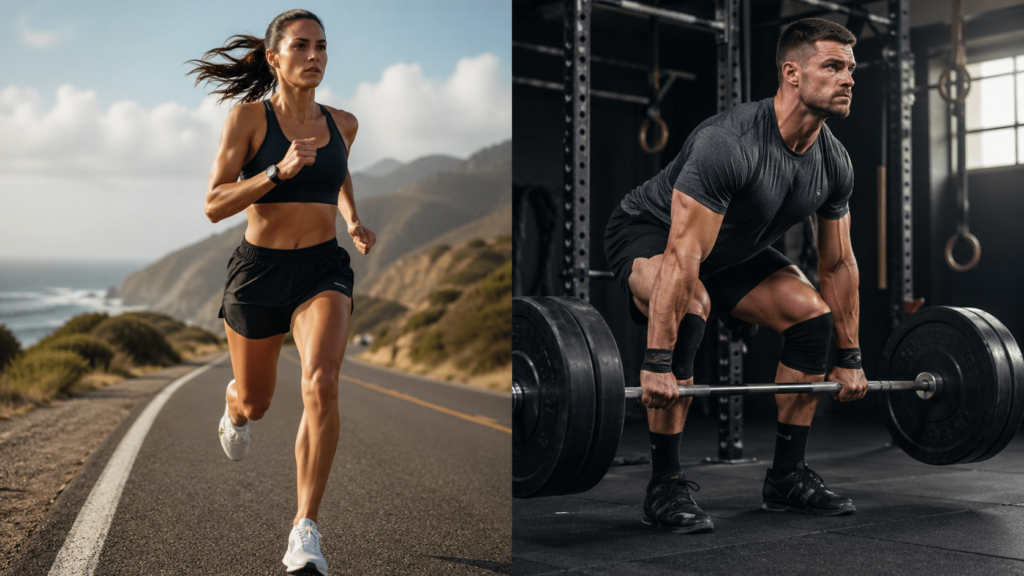
    This applies to everyone, whether you are a weekend athlete, a college player balancing sports and school, an endurance runner, or a lifter working to get stronger. Keeping track of your training load, recovery, and how you move is key to avoiding injuries and setbacks. Experts agree that athletes do best when they balance training and recovery and track their progress over time rather than guessing each day.

    To help you select the best tools, this guide covers the top 5 injury-prevention tools for athletes. You’ll learn who they help most, where the science is strongest, and how to build a smart prevention kit without overspending. Let’s begin by looking at why certain tools deserve a spot in your kit.

    Tool #1 – Foam Rollers & Massage Guns
    Why they deserve a spot in your kit

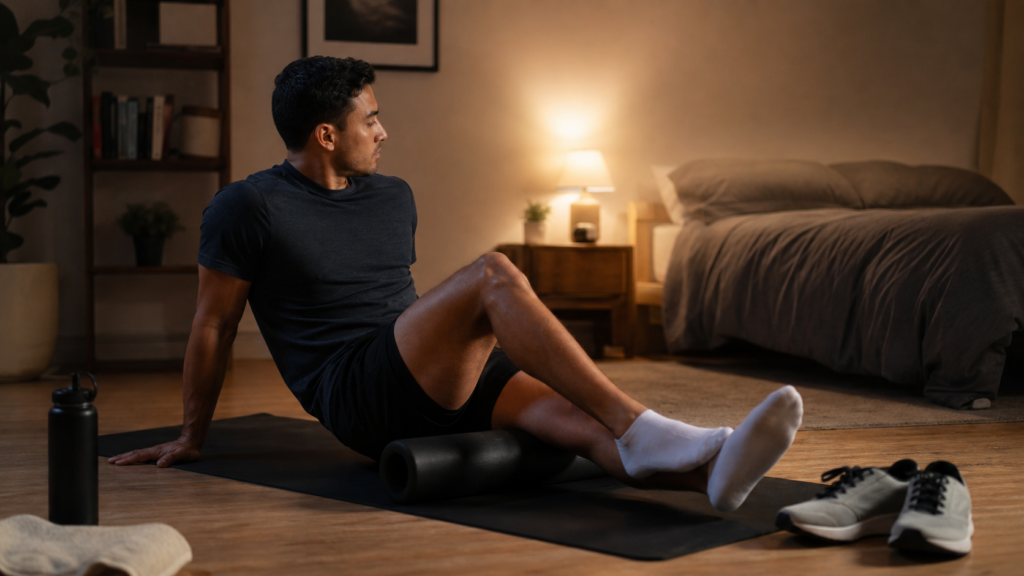
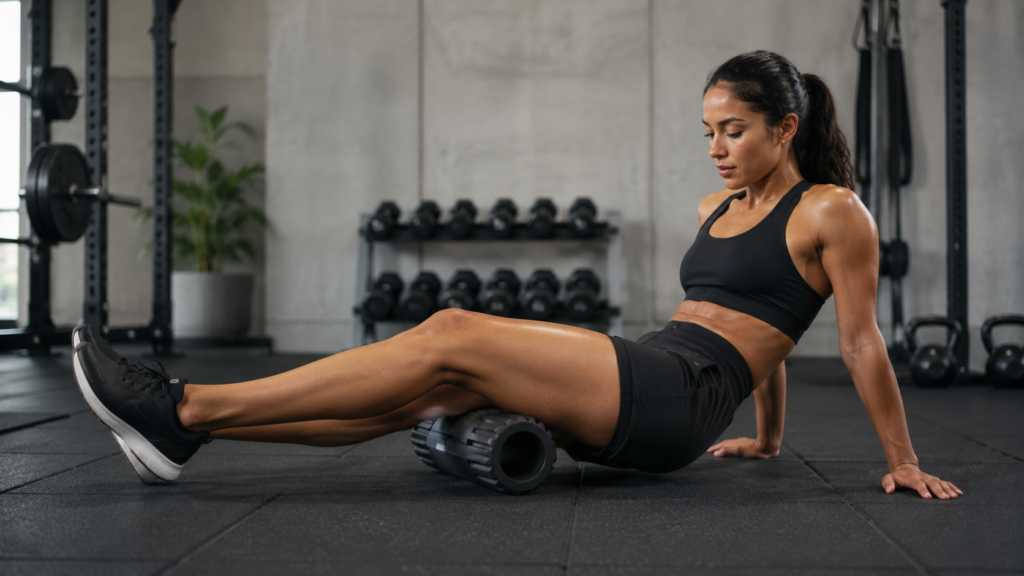
    Foam rollers and massage guns are popular because they are practical, easy to use at home, and helpful for athletes who feel stiff or have a limited range of motion. Research shows foam rolling is more proven than massage guns. Studies suggest that foam rolling can improve flexibility, reduce muscle soreness, and support recovery without hurting your next workout.

    That makes a foam roller one of the best low-cost tools you can buy if you want to improve movement before workouts or ease stiffness after tough sessions. It is not a miracle cure that “breaks up scar tissue,” as some ads claim, but it can help you move better and feel less sore between workouts. Runners often use it for calves, quads, and glutes, while lifters focus on the upper back, lats, hips, and quads. Recent reviews suggest that percussion therapy can improve short-term flexibility, reduce soreness, or improve perceived recovery in some cases.

    Best for

    Foam rollers and massage guns are best for:

    • Athletes who feel chronically stiff before training
    • Endurance athletes managing repetitive lower-body soreness.
    • Lifters who need better warm-up quality
    • Team-sport athletes who want a fast recovery routine between practices

    What to buy first

    If you are building from scratch, buy an electric foam roller first. It provides more evidence-based value and delivers the best return for your investment. If you have extra budget, add a massage gun for convenience and targeted use. It is the highest-value starting point for athletes seeking better mobility and reduced day-to-day stiffness.

    >ELECTRIC FOAM ROLLER<
    >MASSAGE GUN<
    >FOAM ROLLER<

    Tool #2 – Resistance Bands
    Why bands are underrated

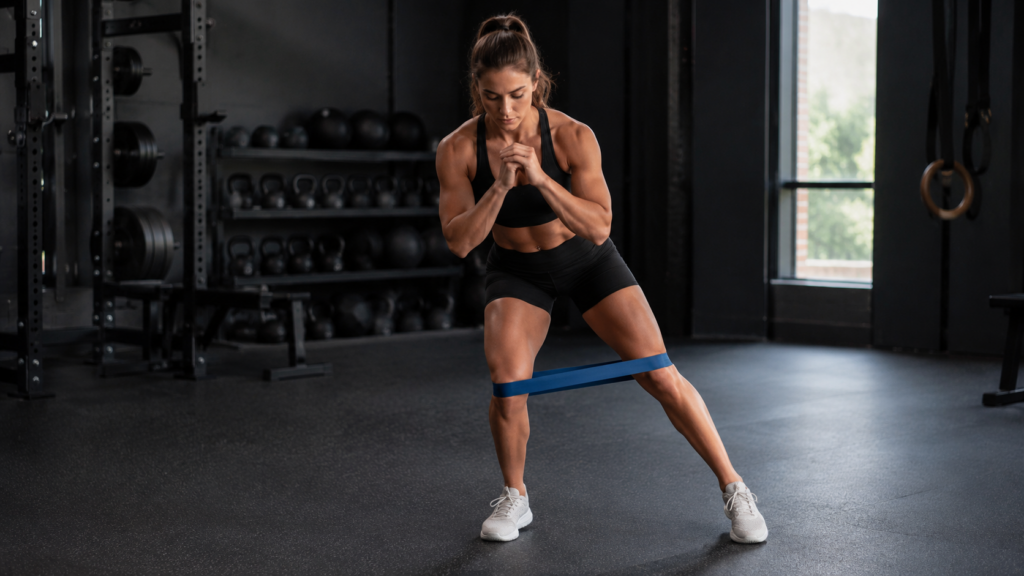
    Resistance bands might not look exciting, but they are one of the best tools here. They are valuable for injury prevention because they help you train the smaller stabilizing muscles and movement patterns that athletes often ignore until pain starts.

    Studies show that resistance bands can give similar strength gains to regular weights in many situations. This makes them great for extra exercises, injury prevention, and training while traveling.

    Bands are especially helpful for strengthening muscles that often cause strains and overuse injuries, like the glute medius, rotator cuff, hip and scapular stabilizers, and hamstrings. New research also shows that some band exercises can help reduce knee stress and lower the risk of leg injuries.

    This is important because many athletes focus on big movements like squats, sprints, and jumps, but do not spend enough time on the smaller muscles that keep joints stable when tired.

    Best for

    Resistance bands are best for:

    • Athletes with recurring hip, knee, or shoulder irritation
    • Student athletes who need low-cost, portable tools
    • Runners who need better glute and ankle support work
    • Lifters who need warm-up activation and accessory training

    Best band setup

    A basic setup is usually best:

    • One mini band for glute and hip activation
    • one long loop band for assistance, mobility, and pulling patterns
    • one light therapy band for shoulders and rehab-style work

    A small set of bands is one of the most affordable and useful things you can buy as an athlete. If you want to avoid injuries from weak spots, bands are well worth their price. Now, let’s move on to how balance and proprioception tools fit into a well-rounded prevention approach.

    >RESISTANCE BAND<

    Tool #3 – Balance Boards & Stability Trainers
    Why proprioception training matters

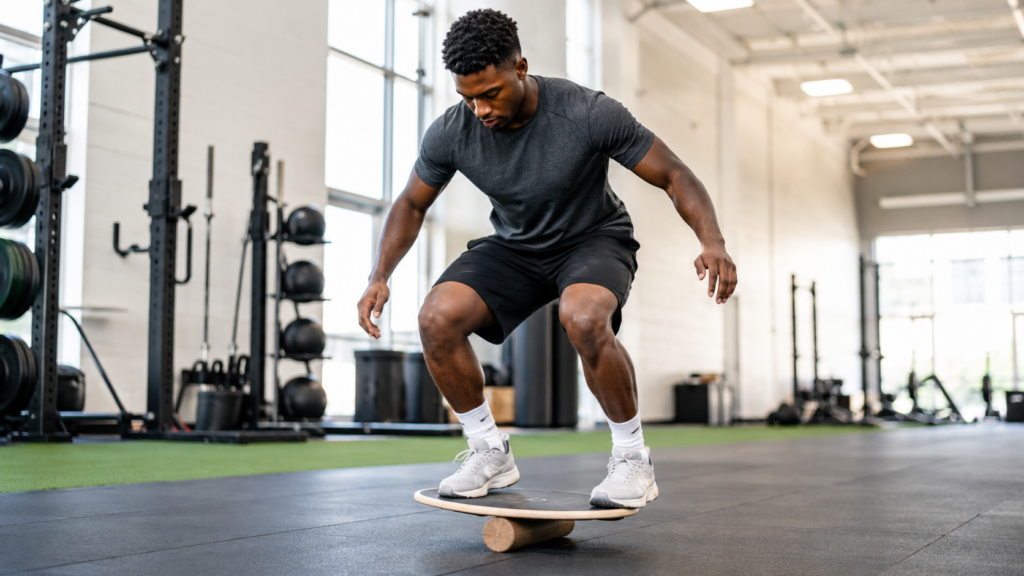
    Balance boards and stability trainers are not only for rehab clinics. They help athletes improve balance, coordination, and joint control, especially in the feet, ankles, knees, and hips. This is important because many injuries happen when athletes lose control during fast or unexpected movements.

    A classic review on neuromuscular training found evidence that proprioceptive and neuromuscular training can reduce the incidence of certain sports injuries. Additional research on proprioceptive training programs has also shown value in lowering ankle and knee sprain risk in some athletic populations.

    This is especially helpful for athletes who have had ankle sprains or often feel unsteady on their ankles. After one sprain, the risk of another goes up, but balance training is a simple way to help prevent it. New studies also show that balance exercises can improve overall athletic performance, not just help with rehab.

    Best for

    Balance boards and stability trainers are best for:

    • court and field sport athletes who cut and change direction often
    • runners with ankle instability history
    • skiers, trail runners, and obstacle-course athletes
    • Anyone coming back from previous ankle or knee issues.

    How to use them.

    These tools are most effective when used for short, regular sessions. Just five to ten minutes a few times a week can make a difference. Try single-leg balance, controlled reaches, squats on unstable surfaces, or drills that match your sport. They should not replace strength training, but they are a great addition.

    >BALANCE BOARD<

    Tool #4 – Compression Gear & Ice Baths
    What they do well, and where the hype goes too far

    Compression gear and cold-water tools are often misunderstood. They can be helpful, but it is important to have realistic expectations.

    Compression garments are most useful for helping you feel better and reducing strength or power loss after tough workouts. Research shows they may help with recovery, especially after resistance training and over longer periods. However, the benefits are not huge, and they are more about supporting recovery than making you a better athlete right away.

    That makes compression gear most useful for:

    • tournament weekends
    • travel-heavy schedules
    • back-to-back training days
    • athletes who want to feel less wrecked after demanding sessions

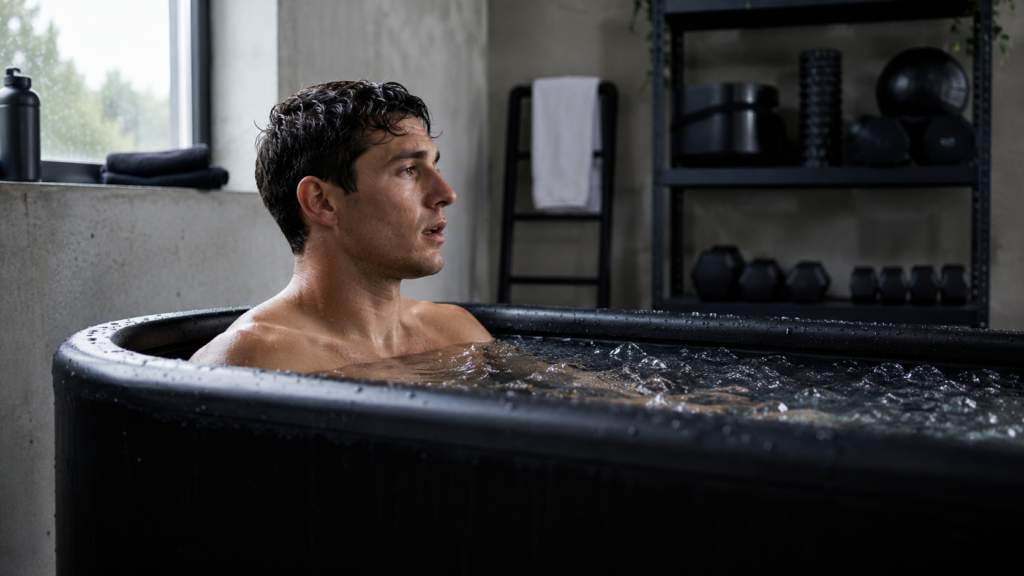
    Cold-water immersion and ice baths are a bit more complex. They can help reduce soreness and make you feel fresher in the short term, especially during heavy training or competitions. However, using ice baths right after resistance training too often may slow down muscle growth. So, while they can help you recover quickly, they are not the best everyday choice if building muscle is your main goal.

    Best for

    Compression gear and ice baths are best for:

    • athletes in-season who need a rapid turnaround
    • endurance athletes during heavy blocks or multi-day events
    • contact-sport athletes managing soreness
    • Travelers dealing with swollen legs or heavy fatigue

    Best buying strategy

    If you have to pick one, start with compression gear. It is more practical, less expensive, and easier to use regularly. Ice baths are better saved for special situations, not daily use.

    For most athletes, compression boots, socks, or tights are a smarter first recovery purchase than a cold-plunge setup. They are cheaper, easier to use, and fit real life much better. To round out your toolkit, consider devices that help you monitor your training and recovery.

    >COMPRESSION BOOTS<
    >ICE BATH<

    Tool #5 – Smart Wearables & Motion Sensors
    Why monitoring can prevent stupid mistakes

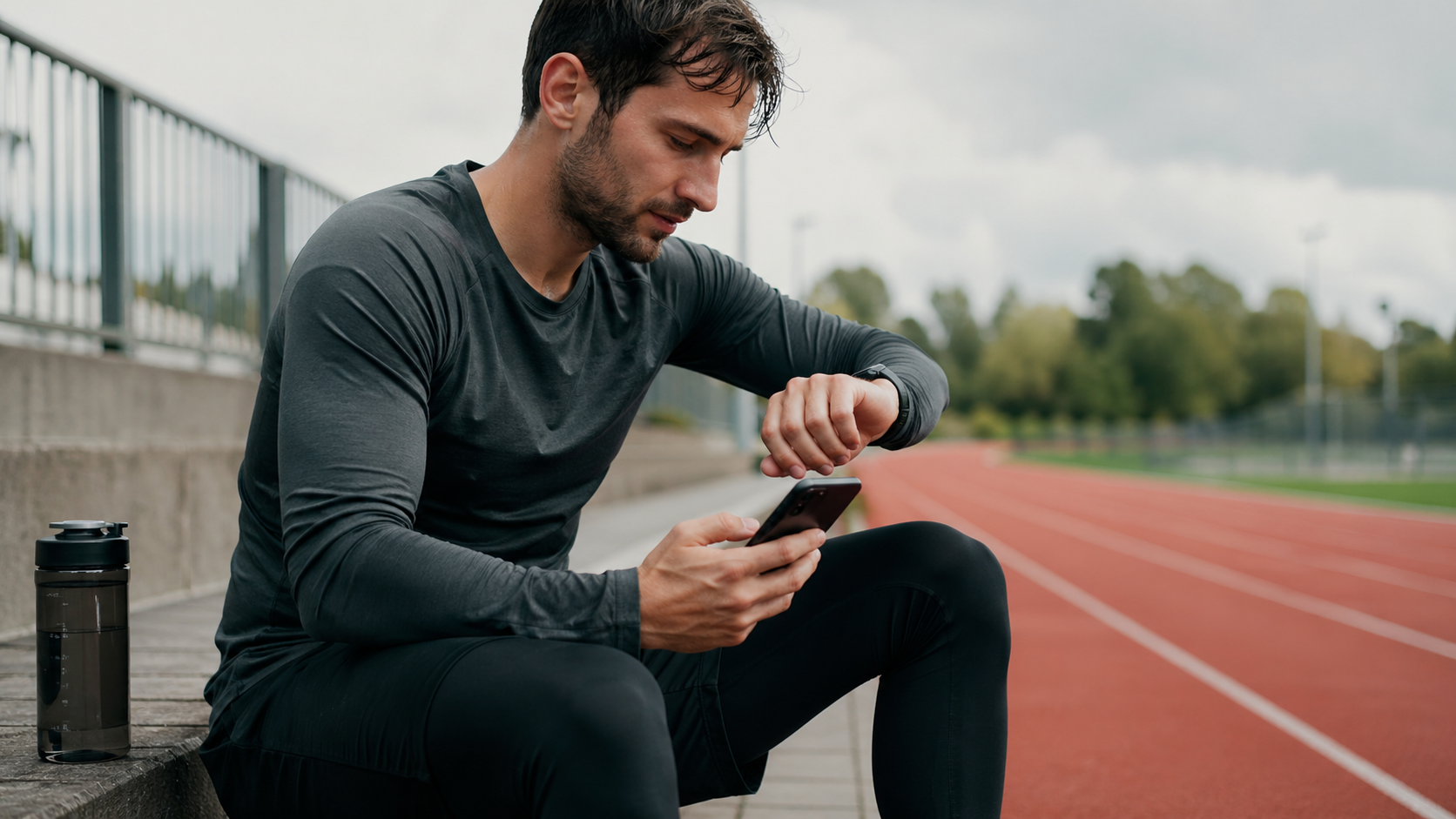
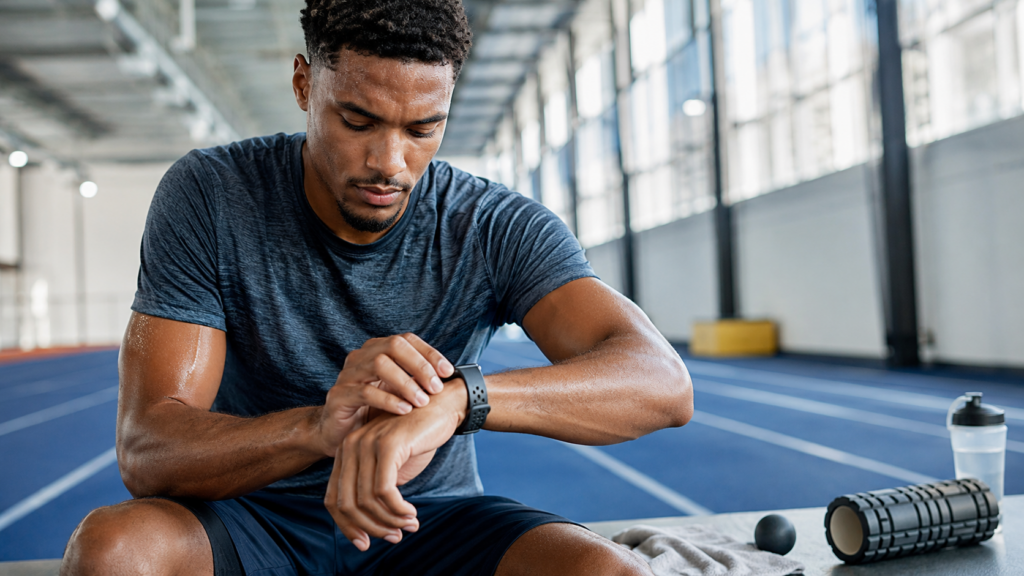
    Smart wearables and motion sensors are not just cool gadgets. They are useful because they can spot patterns that athletes often miss, like increasing workload, poor sleep, lower readiness, sloppy movement, or building fatigue.

    Experts agree that tracking your training load is important because it helps coaches and athletes understand how the body is adapting, how tired you are, what recovery you need, and your risk of injury. Studies also show that wearables can track both how much you do and how your body responds, which helps you make better training choices.

    Wearables cannot predict injuries for sure, but they can help you notice warning signs earlier, such as:

    • Sudden spikes in training volume
    • Poor sleep trends
    • Worsening readiness or HRV trends
    • Asymmetries in movement
    • Repeated fatigue signals after hard blocks

    For endurance athletes, this could mean tracking training load and readiness. Team-sport athletes might use sensors to monitor workload and movement. Lifters can use recovery wearables to avoid pushing too hard when their body is not ready.

    Best for

    Wearables and motion sensors are best for:

    • athletes with a history of overdoing the load too quickly
    • data-driven endurance athletes
    • Team-sport athletes managing dense schedules
    • lifters and hybrid athletes who want clearer recovery feedback

    What to watch out for

    The risk is relying too much on the device instead of your own judgment. Wearables are tools to help you, not replacements for your own thinking, coaching, or listening to your body. Use them to guide your choices, not to make decisions for you. With thoughtful use, each tool discussed can help you train smarter, recover better, and stay ahead of injuries.

    If you already train hard but still feel like recovery is guesswork, a good wearable may be the best purchase on this list because it helps you catch fatigue before it becomes lost training time.

    >WHOOP 5.0<
    >GARMIN FORERUNNER 265<
    >APPLE WATCH ULTRA 3<

    Building Your Injury Prevention Kit for Long-Term Athletic Performance

    Many athletes think injury prevention only matters after they get hurt, but the healthiest athletes build small protective habits before problems start. They use recovery tools to stay flexible, strength tools to fix weak spots, balance tools for better control, recovery aids for tough weeks, and monitoring tools to avoid overtraining.

    The main takeaway from these top 5 injury prevention tools is that tools cannot replace good training plans, enough sleep, or smart recovery. However, the right tools make it easier to stick to these habits. In the long run, staying consistent is what keeps you strong and able to keep training and competing.

    If you want the best value for your money, start simple, choose tools you will really use, and focus on your sport’s most common weak spots. This is the best way to train longer without always dealing with injuries.


  • Top 5 Sleep Tracking Devices for Athletes to Enhance Recovery and Performance

    Top 5 Sleep Tracking Devices for Athletes to Enhance Recovery and Performance

    The Importance of Sleep Tracking for Athletic Performance

    Sleep is a critical factor influencing multiple aspects of athletic performance, including recovery, decision-making, mood, training quality, and consistency. Reviews in athlete populations consistently associate improved sleep with enhanced physical and cognitive outcomes, and guidance from the Centers for Disease Control and Prevention (CDC) underscores that sleep habits directly impact overall health and daily functioning.

    Consequently, sleep tracking has become more valuable for athletes than merely recording hours slept. Leading devices now analyze patterns such as heart rate variability (HRV), resting heart rate, sleep stages, recovery, and readiness, translating these metrics into actionable recommendations. This real-time feedback assists athletes experiencing performance plateaus, slow recovery, or risk of overreaching by linking inadequate sleep to suboptimal training decisions before significant setbacks occur.

    This review highlights the five leading sleep tracking devices for athletes seeking comprehensive insights beyond basic bedtime reminders. The objective is not to identify a single universal winner, but rather to align each device with the specific needs of different athletes, sports, and budgets.

    Device #1 – WHOOP 5.0: Best for Recovery Metrics and Strain Analysis

    If your top priority is recovery-first coaching, WHOOP 5.0 is the strongest pick in this list. WHOOP’s platform is built around Sleep, Strain, and Recovery rather than around notifications or smartwatch convenience, and the company now markets WHOOP 5.0 with 14+ day battery life, personalized coaching, heart rate zones, and recovery-focused insights.

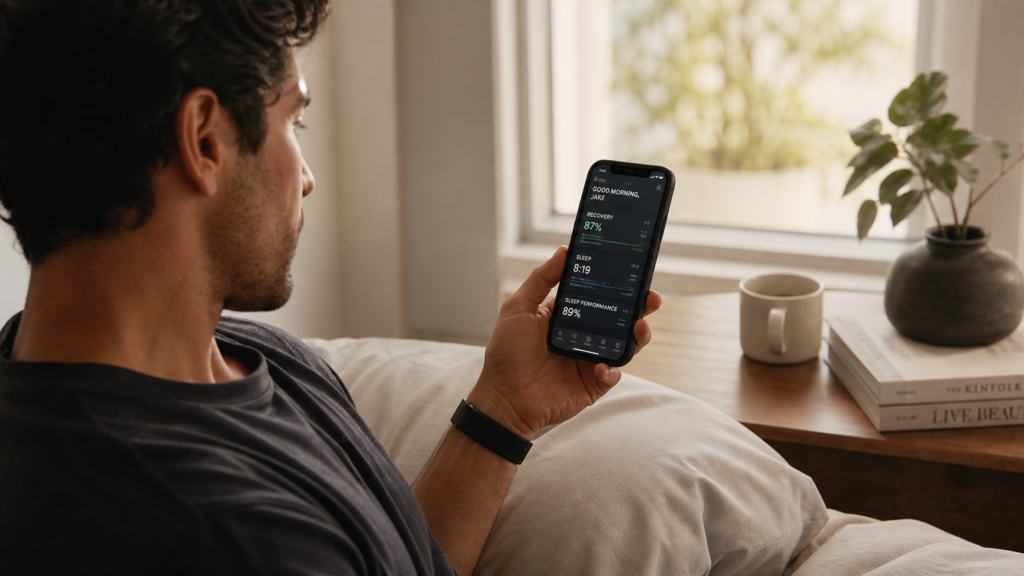
    What makes WHOOP stand out for athletes is the way it turns sleep into a training decision. Instead of just telling you that you slept 6 hours and 43 minutes, it tries to answer the more important question: “How ready are you to train today?” That makes it particularly attractive for weekend warriors who tend to overdo it on hard days, and for endurance athletes balancing big training loads with limited recovery time.

    Why Athletes Like it

    WHOOP is excellent for people who want a recovery dashboard first and a wearable second.

    It is especially strong for:

    • Endurance athletes are managing cumulative fatigue.
    • Recreational athletes who want guidance without a bulky watch face.
    • Lifters and hybrid athletes who care about readiness, sleep, and strain trends more than smartwatch apps.

    WHOOP’s newer lineup also includes different membership tiers. WHOOP One starts at $199 per year, Peak at $239, and Life at $359, with WHOOP 5.0 hardware tied to those membership plans. In other words, yes, this device requires a subscription.

    Best fit

    WHOOP 5.0 is best for athletes who want:

    • The strongest recovery-first ecosystem.
    • Simple, habit-driven coaching around sleep and strain.
    • A wearable that fades into the background rather than acting like a full smartwatch.

    Watch-outs

    The main drawback is that WHOOP requires a subscription rather than a one-time purchase. If you do not like subscriptions, this could be a dealbreaker. WHOOP is best for athletes who will use the app and adjust their habits based on the data. If you want a screen on your wrist and classic smartwatch features, this probably is not the right choice for you.

    >GET YOURS HERE<

    Device #2 – Oura Ring 4: Best for Sleep Quality Insights and Readiness Score

    If you want a sleep-first device that is lighter, more discreet, and easier to wear 24/7 than a watch, Oura Ring 4 is the standout choice. Oura positions Ring 4 as a health-focused smart ring for sleep, activity, readiness, stress, and heart health, and its core pitch remains simple: better nightly insight with less wrist bulk.

    For athletes, the big appeal is comfort. Some people simply sleep better in a ring than in a full watch, and that matters because the best sleep tracker is still the one you will actually wear every night. Oura’s Sleep Score and Readiness Score remain its headline features, with the company describing Sleep Score as a nightly 0–100 assessment of sleep quality and Readiness Score as a snapshot of how prepared you are for the day based on sleep, body signals, and activity.

    Why athletes like it

    Oura Ring 4 is a great match for:

    • Collegiate athletes who want recovery insight without a sports watch look.
    • Amateur athletes who prioritize comfort and simplicity.
    • People who care about sleep quality trends more than on-wrist training features.

    It is also easier to wear every day than most watches, especially if you want sleep and readiness insights without looking like you are always tracking yourself.

    Subscription note

    Oura is another device where the subscription matters. Oura Membership costs $5.99 per month or $69.99 per year, and new members get the first month free. Oura also states that membership unlocks deeper access to the data and insights that make the ring most valuable. So, yes, Oura effectively needs a subscription for the full experience.

    Best fit

    Pick Oura Ring 4 if you want:

    • The best sleep-centric experience in the smallest form factor.
    • Strong readiness and sleep-quality guidance.
    • Something easier to wear overnight than a larger sports watch.

    Watch-outs

    The tradeoff is that Oura is not a full sports watch. It is better for sleep, recovery, and readiness than for being your all-in-one run, bike, or race device. Many endurance athletes will still prefer to pair Oura with a separate training watch rather than rely on it alone.

    >GET YOURS HERE<

    Device #3 – Garmin Forerunner 265: Best for Integrated Training and Sleep Tracking

    For the Garmin slot, the best current fit is the Forerunner 265. The Forerunner line is the best match for athletes who want serious training tools plus robust sleep tracking in one device. Garmin markets the Forerunner 265 with up to 13 days of battery life in smartwatch mode, Garmin Coach support, and advanced training and recovery insights.

    What makes Garmin especially compelling is ecosystem integration. If you are already using structured workouts, GPS training, race prep, and recovery metrics, a Garmin watch can bring sleep into the same workflow, eliminating the need to manage two separate devices. Garmin’s sleep tools on compatible devices include total sleep, sleep stages, sleep score, naps, and Sleep Coach recommendations, while the broader Forerunner line also ties recovery insights into training readiness and planning.

    Why athletes like it

    Garmin Forerunner 265 is best for:

    • Runners and triathletes who want training and sleep in one place.
    • Endurance athletes who care equally about GPS, recovery, and race planning.
    • Athletes who want more training depth than Oura or Fitbit offer.

    Subscription note

    Garmin’s core device features do not require a subscription. Garmin Connect+ exists as an optional premium plan, but Garmin says all existing Garmin Connect features and data remain free. That makes Garmin more attractive for buyers who want to avoid recurring costs while still getting meaningful sleep and recovery data.

    Best fit

    Choose Garmin if you want:

    • One device for training, racing, and sleep.
    • Stronger sports features than rings and basic trackers.
    • A more complete endurance ecosystem without a required subscription.

    Watch-outs

    Garmin is excellent, but it is also more watch than some athletes need. If you mainly want sleep and readiness insight without maps, workouts, and endurance metrics, it may be overkill. Still, for endurance enthusiasts, this is arguably the most balanced option in the entire list.

    >GET YOURS HERE<

    Device #4 – Apple Watch Ultra 3: Best for Multisport Use and Sleep Stage Tracking

    Apple Watch Ultra 3 is the best option here for athletes who want a true multisport smartwatch first and a strong sleep tracker second. Apple’s current lineup includes Ultra 3 as its top-end sports and adventure watch, and Apple highlights multisport transitions, GPS + Cellular, wrist temperature during sleep, and broader sleep and health features.

    Apple’s sleep tracking continues to improve. Official support says the Apple Watch can estimate time spent in REM, Core, and Deep sleep stages, and with watchOS 26, Apple has also added a Sleep Score for supported Apple Watch models, including Ultra 3. That makes the platform more useful for athletes who want quick, understandable sleep feedback without giving up a polished smartwatch experience.

    Why athletes like it

    Apple Watch Ultra 3 is a strong fit for:

    • The best all-around smartwatch experience.
    • Very strong multisport functionality.
    • Meaningful sleep-stage tracking without locking yourself into a recovery-only platform.

    Watch-outs

    The biggest limitation is that Apple Watch still works best for iPhone users who want broad smartwatch functionality, not just sleep and recovery. If your sole priority is a deep recovery ecosystem, WHOOP and Oura feel more focused. But if you want one premium device that handles training, life, and sleep well, Ultra 3 is hard to ignore.

    >GET YOURS HERE<

    Device #5 – Fitbit Charge 6: Best Budget Option for Sleep Trends and Daily Readiness

    If price matters most, the Fitbit Charge 6 is the budget-friendly pick that still gives athletes useful sleep insight. Google’s product page continues to position Charge 6 as a premium fitness tracker, highlighting Fitbit’s sleep and readiness ecosystem, and official Fitbit support says sleep score, sleep stages, and readiness are built on sleep, HRV, and resting heart rate data.

    The reason Charge 6 earns a spot in this ranking is simple: it covers the fundamentals well enough for a much lower buy-in than WHOOP, Oura, Garmin, or Apple Watch Ultra. For athletes on a student budget, that matters. If your real question is “How did I sleep?” and “Am I recovered enough to train hard today?” Charge 6 can get you useful answers without requiring a flagship-watch budget.

    Why athletes like it

    Fitbit Charge 6 is best for:

    • Student-budget athletes.
    • Recreational athletes who want sleep trends without a premium smartwatch price.
    • Users who care more about sleep score, readiness, and basic daily guidance than advanced endurance tools.

    Subscription note

    This one is a little nuanced. Core sleep tracking does not require a subscription, and Google support says Daily Readiness is now available to Fitbit users in the app. Fitbit Premium remains optional for additional features and content, but it is no longer accurate to treat readiness as strictly paywalled as it used to be.

    Best fit

    Pick Charge 6 if you want:

    • The lowest-cost entry into meaningful sleep tracking on this list.
    • A lighter, simpler device than a full smartwatch.
    • Enough sleep and readiness data to guide better daily decisions.

    Watch-outs

    The compromises are exactly what you would expect: less advanced training depth than Garmin, less premium polish than Apple Watch Ultra 3, and less recovery-specific sophistication than WHOOP or Oura. But for athletes who want value first, that tradeoff can be completely worth it.

    >GET YOURS HERE<

    How to Choose the Right Device Based on Your Sport and Budget

    There is no universal winner because different athletes need different things. If you want the most recovery-focused coaching, go with WHOOP 5.0. If you want the most comfortable sleep-first wearable, choose Oura Ring 4. If you want one device that handles both endurance training and sleep seriously, the Garmin Forerunner 265 is the smartest pick. If you want the best all-around smartwatch for sports and everyday life, the Apple Watch Ultra 3 makes the most sense. If you want the best value, the Fitbit Charge 6 is the budget play.

    The biggest buying mistake athletes make is paying for features they will never use. A runner training for marathons does not need the same thing as a college athlete who wants a watch for workouts, school, messages, and sleep. A weekend warrior who needs recovery guardrails may get more value from WHOOP than from a more complicated sports watch. And a student on a tight budget might get everything they truly need from the Fitbit Charge 6.

    That is the real takeaway from the top 5 best sleep-tracking devices: the best device is the one that helps you change behavior, recover better, and train more intelligently without creating friction. If it makes you sleep more consistently, notice fatigue earlier, and stop guessing about recovery, it is doing its job.

  • The Ultimate Guide to Improving Sleep for Athletes: Boost Performance and Recovery

    The Ultimate Guide to Improving Sleep for Athletes: Boost Performance and Recovery

    Introduction – Why Sleep Is the Secret Weapon for Athletic Performance

    Many athletes focus on training plans, supplements, and new gear before they address the most important recovery tool they already have: sleep. This is a common mistake. Sleep is not just downtime. It is when your brain and body do the work needed to adapt to training, recover between sessions, and get ready to perform again. Good sleep is vital for health, emotional well-being, and daily functioning. For athletes, it also helps with decision-making, reaction time, mood, and staying consistent in training.

    This is important for all types of athletes. Recreational athletes need sleep to keep making progress, even with busy jobs and family life. High school and college athletes need it because they juggle early mornings, schoolwork, travel, and late practices. Endurance athletes rely on sleep to handle high training volumes, while strength and power athletes need it to keep up their performance and recover well. Studies show that athletes often do not get enough good-quality sleep, but those who do tend to perform better in competition.

    The good news is that you can improve your sleep by changing your habits, environment, routines, and schedule. This guide will show athletes practical ways to get better sleep that fit into real training and everyday life.

    1. The Science of Sleep and Athletic Recovery

    Deep sleep, REM sleep, and why both matter

    Sleep is not one uniform state. It cycles through non-REM and REM sleep multiple times each night. NHLBI explains that non-REM sleep includes three stages, with stage 3 being deep sleep or slow-wave sleep, and that people usually spend more time in deep sleep earlier in the night. NIH sources also note that REM sleep increases later in the night, which is one reason cutting sleep short in the morning can disproportionately trim REM-rich sleep.

    For athletes, that structure matters. Deep sleep is closely tied to physical restoration, while REM sleep is especially relevant for learning, memory, and neural processing. That makes sleep important not only for tissue recovery and energy restoration, but also for skill acquisition, tactical learning, and emotional regulation under pressure. Reviews focused on sleep and athletic performance repeatedly connect better sleep with better reaction time, accuracy, cognitive performance, and overall recovery.

    Hormonal balance and recovery

    Athletes often feel the effects of poor sleep before they know why. Motivation drops, workouts feel tougher, appetite changes, and recovery seems slower. This is not just your imagination. Research shows that lack of sleep can upset hormone balance, raising cortisol and sometimes lowering testosterone or reducing the body’s ability to recover. One bad night will not ruin your season, but not getting enough sleep over time can make it harder to recover and improve.

    Sleep extension works

    One of the most encouraging findings in sports-sleep research is that more sleep often helps. A 2023 review on sleep interventions in athletes found that increasing sleep duration at night, or using naps strategically, was among the most effective ways to improve physical and cognitive performance. Earlier studies in athletes have shown improvements in sport-specific outcomes after sleep extension, including basketball and tennis performance, while endurance work may also be better maintained after several nights of extended sleep compared with normal or restricted sleep.

    This is an important change in how you think about sleep. Many athletes only focus on sleep when they feel tired. Instead, treat sleep as a key part of your performance, just like your training or nutrition.

    2. Common Sleep Disruptors for Athletes

    Overtraining and accumulated fatigue

    Athletes can lose sleep for reasons beyond bad habits. Sometimes, the training itself is the issue. Hard training blocks, competition stress, soreness, and a highly active nervous system can all make it tough to fall or stay asleep. Studies show that sleep problems are common during intense training, and not getting enough sleep can make recovery even harder when stress is high.

    Late workouts: not always bad, but intensity matters

    It is important to be specific here. Not all evening exercise ruins sleep. A major review found that most evening workouts do not automatically harm sleep and can often fit into a healthy routine. However, new research shows that very hard training, especially if it ends within four hours of bedtime, is more likely to make it harder to fall asleep and recover. Simply put, a light workout at night is usually fine, but tough intervals late at night can cause problems.

    Travel and jet lag

    Travel is one of the biggest sleep killers for serious athletes. Crossing time zones can desynchronize light exposure, meal timing, melatonin rhythms, and sleep opportunity. Reviews on athlete travel and jet lag emphasize that long-haul travel can impair sleep and performance, and that useful countermeasures include planned light exposure, smart training timing, meal timing, and sometimes short-term melatonin use when appropriate.

    Stress, school, and life load

    Sleep does not happen in a vacuum. Student athletes often face early school start times, homework, social pressure, and late practices all at once. Adults may be trying to train around work, parenting, screens, and inconsistent schedules. CDC guidance notes that teens need 8 to 10 hours of sleep, adults aged 18 to 60 need 7 or more hours, and later school start times are associated with more adolescents getting enough sleep.

    For many athletes, the main issue is not one big mistake. It is a mix of small habits, like having caffeine late, using screens before bed, eating late meals, feeling stressed, and going to bed at different times each night.

    Practical Sleep Hygiene Strategies for Athletes

    Build a real bedtime routine.

    The CDC’s practical guidance is refreshingly simple: go to bed and get up at the same time every day, keep the bedroom quiet and cool, turn off electronics at least 30 minutes before bed, avoid large meals and alcohol before bed, and avoid caffeine in the afternoon or evening. Those basics are not glamorous, but they work because they reduce physiological and psychological friction around sleep.

    An athlete’s bedtime routine does not have to be complicated. It can be as easy as dimming the lights, taking a warm shower, setting out your gear for tomorrow, having a glass of water, and reading for 10 to 20 minutes. The key is to be consistent. Your body sleeps better when it gets the same signals every night.

    Fix the sleep environment.

    Many athletes buy recovery gadgets before fixing the room where they actually recover. A good sleep setup is usually dark, cool, quiet, and free of screen light. If you have roommates, travel a lot, or cannot control noise, simple tools like blackout curtains, earplugs, white-noise machines, or a sleep mask can help. The CDC also recommends keeping your room cool, quiet, and limiting electronics before bed.

    Use nutrition to support sleep, not sabotage it.

    Athletes should use pre-sleep nutrition to help, not hurt, their sleep. Going to bed very hungry or too full can make it harder to sleep. Alcohol might make you sleepy at first, but it can disturb your sleep later. Caffeine is often a bigger problem, especially if you have it in the afternoon through pre-workouts, energy drinks, or big coffees. The CDC and other experts recommend avoiding caffeine after 3:00pm if you have trouble sleeping.

    Research on nutrition for better sleep in athletes is promising, but not always clear. A 2025 review found that diet and supplements can help in some cases, but they should be used along with good sleep habits, not instead of them. The best approach is to fix your routines first, then see if specific nutrition strategies are worth trying.

    Naps can help, if used well.

    Short naps can help when you do not get enough sleep at night, especially during hard training, travel, or early mornings. Research in athletes suggests naps can support performance and recovery, but the ideal length depends on the goal. A 20-30-minute nap is usually best for a quick boost in alertness, reaction time, and mood while minimizing grogginess. Longer naps can also help, though they are more likely to leave you feeling sluggish if you wake at the wrong point in the sleep cycle.

    Sleep Tracking and Optimization Tools

    Wearables and apps

    Sleep wearables can be useful, but they are best for spotting trends, not for medical accuracy. Consumer trackers are improving at showing sleep patterns, but they are not as precise as clinical sleep tests. Their main benefit is helping athletes see how factors like late caffeine intake, alcohol, travel, or training times affect their sleep over time. A few examples of these wearables include WHOOP, Garmin, and Fitbit, which all track your sleep trends.

    However, do not let the data make you anxious. Worrying too much about sleep scores can be unhelpful if it causes stress about getting perfect sleep. Use trackers for feedback, not to panic over one bad night. The overall trend is more important than any single score.

    Supplements for better sleep

    Supplements can help, but they are not the main solution. Melatonin is most effective for short-term issues like jet lag, and research supports its careful use for athletes traveling across time zones.

    Magnesium can be a reasonable add-on for athletes who have trouble winding down at night, especially if their sleep is inconsistent or their magnesium intake is low. Before bed, magnesium is commonly used because it appears to help regulate processes involved in sleep and relaxation, and the research suggests it may modestly improve insomnia symptoms, sleep quality, sleep efficiency, and sleep onset in some people. The benefits are not guaranteed, and magnesium is best framed as a supportive tool rather than a cure-all, but it may be more useful for people who already have poor sleep or low magnesium status.

    GABA is the brain’s main inhibitory neurotransmitter, so GABA supplements are often marketed to promote calmness before bed. Some small studies have found that oral GABA may help people fall asleep faster and may increase non-REM sleep, but larger reviews say the evidence for sleep benefits is limited. For that reason, GABA should be seen as a possible helper for some athletes, not a proven fix, and it should come after basics like a regular sleep schedule, smart caffeine timing, and a better sleep environment.

    The safest approach is to use supplements only to support a good sleep routine, not to replace it. Some athletes may benefit in certain situations. If you are a teen, take medication, or have a medical condition, talk to a healthcare professional before trying sleep aids.

    Sample Sleep Schedule and Recovery Plan for Different Athlete Types

    Weekend warrior

    If you train before work or on weekends, being consistent is more important than being perfect. Try to keep your bedtime and wake time steady, even on days off, and get at least 7 hours of sleep—more if you are training hard. Have caffeine earlier in the day, and avoid staying up late on Friday, and try to catch up on sleep all weekend.

    A simple template recommendation:

    • Bed by 10:30–11:00 p.m.
    • Wake around 6:30–7:00 a.m.
    • Hard sessions earlier in the day, when possible
    • Short nap only if nighttime sleep was clearly inadequate

    Competitive high school or collegiate athlete

    High school and college athletes need more sleep but often get less. Teens aged 13 to 17 should get 8 to 10 hours, but early school and late practices make this hard. The best strategy is to protect the first and last hour of your day: avoid screens late at night, prepare meals and gear ahead of time, and stick to a regular bedtime routine.

    A simple template recommendation:

    • Bed by 10:00–10:30 p.m. when possible
    • Wake based on school schedule, ideally allowing 8+ hours.
    • Use short naps after school only when needed.
    • Cut off caffeine around 3:00pm, especially pre-workouts

    Endurance enthusiast

    Endurance athletes often gain the most from getting extra sleep because their recovery needs are high. If you are training with lots of mileage or volume, focus on spending more time in bed before turning to supplements. Research shows that more sleep can help maintain both physical and mental performance.

    A simple template recommendation:

    • Add 30 to 60 minutes of time in bed during build weeks.
    • Protect sleep after your longest sessions.
    • Use naps sparingly and strategically after travel or very early starts.
    • Avoid stacking long training, late caffeine, and late meals on the same day.

    Along with this, endurance and team-sport athletes usually benefit from recovery-friendly tools like Hyperice, Normatech, and Therabody.

    Conclusion – Actionable Steps to Improve Sleep and Dominate Your Next Game or Race

    The most common mistake athletes make is thinking sleep just happens by chance. In reality, better sleep comes from better habits: regular bedtimes, smart caffeine use, less late-night activity, a good sleep environment, and a training plan that allows for recovery. Research clearly shows that sleep is important for physical and mental performance, recovery, and long-term training success.

    Start with simple changes. Do not try to fix everything at once. Choose one area to improve this week—like moving caffeine earlier, dimming the lights sooner, finishing hard workouts earlier, making your room darker, or giving yourself more time in bed. Track how you feel and perform over the next two weeks. That is how you turn this guide into real results.

    Resources:

    https://www.cdc.gov/sleep/about/index.html

    https://www.nhlbi.nih.gov/health/sleep/stages-of-sleep

    https://pmc.ncbi.nlm.nih.gov/articles/PMC4008810

    https://pmc.ncbi.nlm.nih.gov/articles/PMC9960533

    https://pmc.ncbi.nlm.nih.gov/articles/PMC9843114

    https://pubmed.ncbi.nlm.nih.gov/29135639

    https://pmc.ncbi.nlm.nih.gov/articles/PMC12610528

    https://pubmed.ncbi.nlm.nih.gov/37462808

    https://pmc.ncbi.nlm.nih.gov/articles/PMC10354314

    https://pubmed.ncbi.nlm.nih.gov/30374942

    https://pmc.ncbi.nlm.nih.gov/articles/PMC12000559

    https://pmc.ncbi.nlm.nih.gov/articles/PMC8279034

    https://pmc.ncbi.nlm.nih.gov/articles/PMC10520441

    https://pmc.ncbi.nlm.nih.gov/articles/PMC3435929

    https://pmc.ncbi.nlm.nih.gov/articles/PMC10654909

    https://pmc.ncbi.nlm.nih.gov/articles/PMC5263088

    https://pmc.ncbi.nlm.nih.gov/articles/PMC12567717

    https://www.mdpi.com/2075-4663/13/10/342

    https://www.cdc.gov/physical-activity-education/staying-healthy/sleep.html

  • WHOOP Review: Complete Analysis

    WHOOP Review: Complete Analysis

    If you want a wearable that tells you how far you ran, shows your texts, and replaces your phone on your wrist, WHOOP is probably not your best fit. But if you want a wearable focused on recovery, sleep, training load, and habit change, it still stands out in a crowded category.

    In this review, the real question is not whether WHOOP works. It does. The better question is whether its coaching-first, membership-based model gives you enough value to justify the cost.

    That matters more now because WHOOP is no longer just one device. As of 2026, WHOOP’s lineup is split across One, Peak, and Life memberships. Both One and Peak include the WHOOP 5.0 hardware; the main difference is that Peak offers more advanced analytics and coaching features. Life includes WHOOP MG, which provides the most premium experience.

    To make comparison easier: One covers essential fitness and recovery tracking, including sleep, strain, and daily readiness. Peak adds features like Healthspan and Health Monitor, advanced training analytics, and stress tracking tools. Life includes everything in Peak plus WHOOP MG with ECG, on-demand AFib detection, and Blood Pressure Insights (currently in beta), for users seeking the most in-depth health information.

    Annual pricing currently starts at $199 for One, $239 for Peak, and $359 for Life. WHOOP also offers a one-month free trial with a certified pre-owned WHOOP 5.0 device.

    For athletes most likely to consider it, the appeal is clear. If you are plateauing despite consistent training, struggling with nagging fatigue, or trying to reduce guesswork around recovery, WHOOP aims to answer a simple question: “How ready is my body today?”

    Introduction

    WHOOP’s biggest differentiator is that it is built around behavior change, not just data collection. The platform centers on Sleep, Strain, Recovery, stress, and coaching, turning continuous biometric tracking into daily recommendations. WHOOP describes the system as a 24/7 wearable-and-app experience designed to help users sleep better, train smarter, and improve long-term health, rather than simply counting steps or displaying notifications.

    That makes WHOOP especially appealing for recreational athletes, endurance-focused users, and serious gym-goers who feel stuck. Many wearables are good at collecting data. Fewer are good at turning those numbers into decisions. WHOOP tries to do the latter.

    Still, there are tradeoffs. WHOOP is screen-free, relies on your phone for route tracking, and uses a subscription model rather than a one-time hardware purchase. WHOOP’s support pages state the sensor does not have built-in GPS, and the brand embraces a zero-distractions screen-free design. For GPS and route tracking, WHOOP pairs with your smartphone to record distance and routes using your phone’s GPS during activities. However, live pace, mapping, and navigation are accessible only through the phone, not on the WHOOP band. This means runners and cyclists wanting on-the-go wrist tracking still need to bring their phone or use a separate GPS watch for real-time data.

    Features Overview

    Sleep, recovery, and strain

    This is the core of the WHOOP experience.

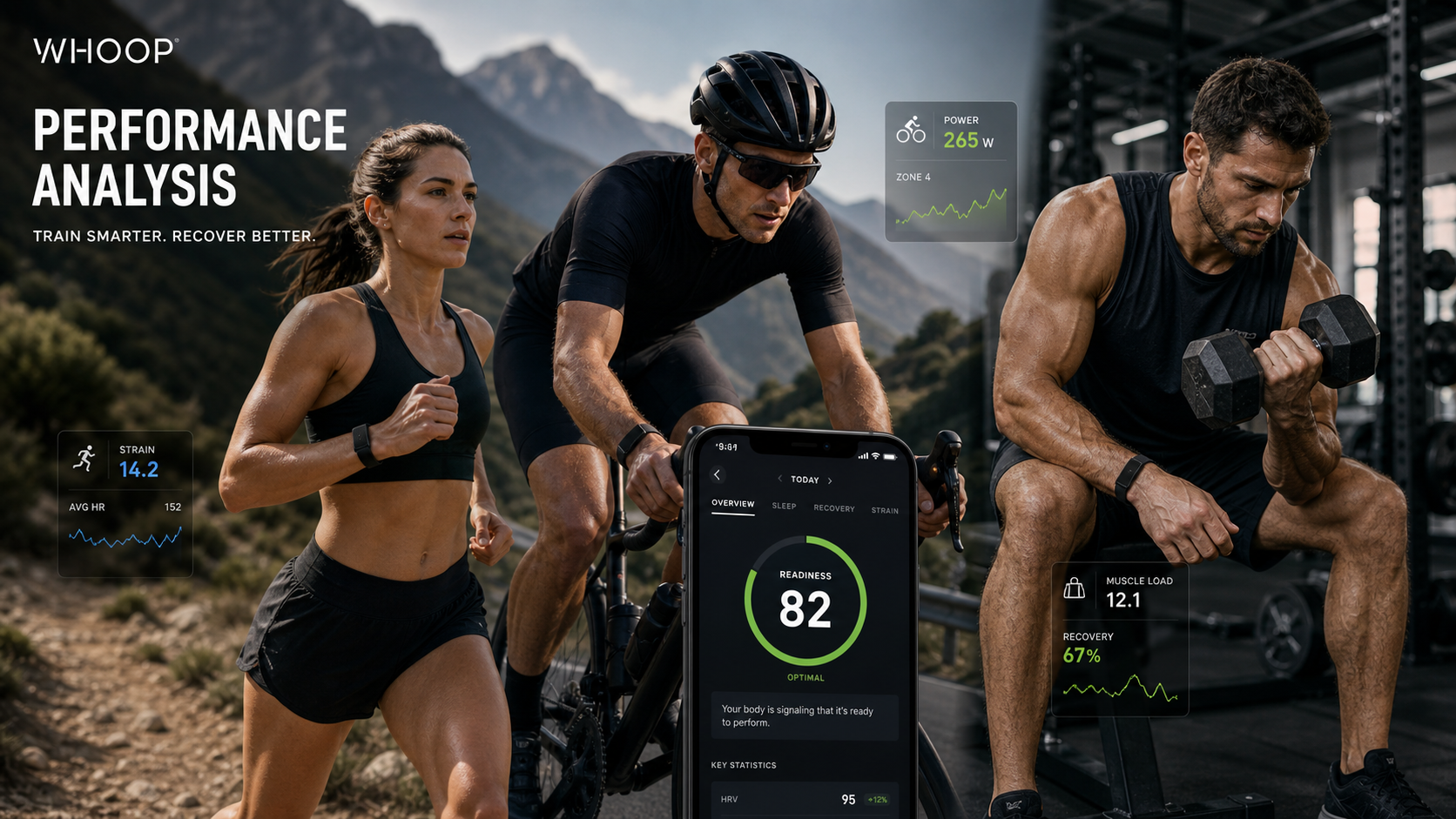
    WHOOP tracks sleep stages and estimates your nightly sleep need based on recent patterns, daily strain, sleep debt, and naps. It then recommends optimal bedtime and wake times. Recovery shows your readiness to perform. Strain is a 0–21 score of cardiovascular and muscular exertion.

    For real-world training, this matters more than it sounds. If your recovery is low, WHOOP nudges you toward a lighter day. If your recovery is high, it signals a green light to push harder. For athletes who overdo intensity or underestimate poor sleep’s impact, that guidance can be more useful than another watch face full of metrics.

    Coaching and behavior tracking

    WHOOP has become more helpful as its coaching features have expanded.

    The platform offers personalized coaching, an AI-powered Coach, and a Journal for logging over 300 daily behaviors to track how choices affect recovery and performance. WHOOP says the Coach analyzes biometric trends and context, such as location and weather, to provide real-time guidance on training, recovery, and sleep.

    This is where WHOOP addresses common pain points for athletes. If you train hard but do not improve, the issue may not be your programming. It might be poor sleep consistency, alcohol, travel stress, under-fueling, or accumulating more fatigue than you realize. WHOOP helps uncover those patterns.

    That said, it is not a replacement for a skilled coach, sports dietitian, or personalized nutrition and supplement planning. It can reveal habits that hurt recovery but cannot fully design your performance strategy.

    Strength and muscular load features

    WHOOP used to be seen mainly as an endurance-focused tool, but it is now more useful for lifters than ever before.

    WHOOP’s Strain model measures cardiovascular and muscular load. Its Strength Trainer combines sensor data with logged workouts to better estimate lifting stress and provide a fuller picture for strength training, HIIT, and similar sessions.

    That is a meaningful improvement for strength and power athletes. Heavy lifting does not always show up well in heart-rate-driven strain alone, so adding muscular load makes WHOOP more relevant for CrossFit athletes, bodybuilders, and powerlifters.

    Hardware and wearability

    WHOOP memberships focus on WHOOP 5.0 and WHOOP MG. Both offer 14+ day battery life and emphasize a screen-free, 24/7 wearable design, including flexible off-wrist options with WHOOP Body apparel.

    That hardware philosophy remains one of WHOOP’s best strengths. It is discreet, comfortable, and easy to wear continuously, essential for any device focused on recovery trends rather than glanceable notifications.

    Performance Analysis

    For amateur and recreational athletes

    WHOOP is arguably most valuable for the person who trains consistently but does not always recover intelligently.

    If you are the classic weekend warrior doing early runs, lifting after work, and trying to squeeze performance gains from a busy schedule, WHOOP’s sleep and recovery guidance can be a reality check. It helps you see whether your body is adapting to your workload or just surviving it.

    This is also where the platform’s journal and coaching tools matter. Small habits add up fast for recreational athletes: late nights, missed meals, inconsistent sleep, alcohol, and stress can quietly stall progress for months. WHOOP excels when it turns those invisible problems into visible patterns.

    For endurance athletes

    Endurance athletes are still one of WHOOP’s strongest use cases.

    Runners, cyclists, triathletes, and hybrid athletes often benefit most from the recovery-strain relationship because their training load is frequent, cumulative, and sensitive to sleep and fatigue. WHOOP’s platform connects those dots: how much strain you accumulated, how well you recovered, how much sleep you need, and how hard you should push next.

    The biggest limitation is route tracking. WHOOP lacks built-in GPS, so if live pace, mapping, and navigation are central to your training, you may want a dedicated sports watch. Many endurance athletes get the most value by pairing WHOOP with another device rather than using it as a one-device solution.

    For strength and power athletes

    WHOOP is more useful for lifters than some critics claim, but you need the right expectations.

    Its real value for strength athletes is monitoring readiness, sleep, stress, and total load over time, not perfectly capturing every nuance of muscle damage or CNS fatigue. Adding muscular load and Strength Trainer makes the platform better suited to lifting than older versions, but it still shines more as a recovery-management tool than a pure lifting-performance tracker.

    So if you are a gym-focused athlete, WHOOP can help answer questions like:

    • Am I recovered enough to push intensity today?
    • Is poor sleep killing my training quality?
    • Are my lifestyle habits creating fatigue that I keep blaming on programming?

    Those are valuable answers, especially for athletes dealing with recurring soreness, slow recovery, or inconsistent performance.

    Accuracy and limitations

    No wearable gets a free pass on accuracy, and WHOOP is no exception.

    WHOOP’s support materials note that accuracy is affected by device fit and placement, recommending a snug fit about 1 inch above the wrist bone. It also supports alternative wear locations and automatically detects sleep and activity for easier passive tracking.

    In practice, WHOOP is best judged as a trend tool, not a perfect second-by-second sports instrument. It is useful for watching recovery patterns, sleep quality, and training load over time. It is less ideal if your top priority is ultra-precise live workout feedback without using your phone.

    Pros and Cons

    Pros

    • Excellent focus on sleep, recovery, and readiness
    • Strong behavior-change tools through coaching and journaling
    • More useful for lifters now, thanks to muscular load and Strength Trainer
    • Comfortable screen-free design works well for 24/7 wear.
    • Better long-term training context than many mainstream fitness trackers
    • The current lineup offers a free-trial path for cautious buyers.

    Cons

    • Subscription model will be a dealbreaker for some users.
    • No built-in GPS, so runners and cyclists may still need another device.
    • No screen means no on-device pace, splits, or quick stat checks.
    • Best value comes from consistently engaging with the app, not casual use.
    • Some newer health features are locked behind higher membership tiers, such as Peak or Life.

    User Experience

    WHOOP is one of those products where the user experience depends heavily on your personality.

    If you enjoy data, trend analysis, and incremental self-improvement, it can become part of your routine quickly. You wake up, check your recovery, assess your sleep need, and adjust your day. Over time, that creates a feedback loop that can meaningfully change how you train and recover.

    If you are the opposite type of user, someone who hates opening apps, logging habits, or interpreting readiness scores, the value drops quickly. WHOOP is not a passive magic band. It works best when you actively use the recommendations.

    The screen-free design helps. WHOOP is built to avoid pings and unnecessary interruptions, making it easier to wear around the clock. For athletes who already get enough noise from phones and smartwatches, that simplicity is a genuine advantage. If you like the idea of 24/7 recovery tracking without constant notifications, WHOOP is worth a closer look, especially through the trial option.

    Value for Money

    WHOOP’s value depends almost entirely on what kind of buyer you are.

    If you hate subscriptions, WHOOP will feel expensive no matter how good the coaching is. Current annual pricing starts at $199 for One, $239 for Peak, and $359 for Life, with meaningful feature differences. One covers core fitness and recovery tracking; Peak adds Healthspan, Health Monitor, and Stress Monitor; Life adds WHOOP MG plus ECG, on-demand AFib detection, and Blood Pressure Insights in beta.

    That pricing is easier to justify for athletes who use WHOOP daily and change behavior based on the data. If the platform helps you sleep better, reduce overtraining, manage stress, and train more consistently, the value can be real. If you only want occasional curiosity metrics, it is harder to defend.

    For student athletes on a tighter budget, WHOOP is a tougher sell. For committed endurance athletes or professionals with higher disposable income, the value proposition is much stronger, especially if recovery quality is a chronic bottleneck.

    One nice touch is the one-month free trial with a certified pre-owned WHOOP 5.0 device, which lowers the risk for first-time buyers. Check today’s WHOOP pricing and see current trial options:

    WHOOP ONE: https://amzn.to/4n3pbRe

    WHOOP PEAK: https://amzn.to/4tedIjx

    WHOOP LIFE: https://amzn.to/4tM92lO

    Value for Money

    WHOOP is still one of the most distinctive wearables on the market because it is built less like a gadget and more like a coaching system.

    Its biggest strengths are clear: excellent recovery insights, strong sleep guidance, meaningful long-term training context, and a user experience that pushes habit change instead of distraction. For endurance athletes, serious recreational athletes, and data-minded lifters, that can be genuinely valuable.

    Its weaknesses are just as clear: no built-in GPS, no display, and a pricing model that only makes sense if you use the platform consistently.

    So, is WHOOP worth it?

    Yes, for athletes who want guidance more than gadgets. No, for buyers who mainly want smartwatch features or a one-time hardware purchase.

    If your biggest challenges are stalled progress, poor recovery, and training without enough feedback from your body, WHOOP remains one of the better tools you can buy. But the best WHOOP plan isn’t necessarily the most expensive. For most performance-focused users, the real decision is whether One gives you enough, or whether Peak’s added features justify the extra spend.

  • Complete Guide to Improving Performance For Athletes

    Complete Guide to Improving Performance For Athletes

    Introduction

    Every athlete wants the same outcome: better results for their effort. But progress rarely stems from a single workout, supplement, or motivational quote. It typically results from mastering the basics, maintaining consistency, and sustaining commitment longer than most are willing to.

    That is why many athletes stall. They train intensely, yet recovery falters. They keep occupied, but sleep declines. They buy supplements, but nutrition lacks consistency. They push through fatigue, then question recurring plateaus or injuries.

    For athletes, the answer to improving performance is usually not to do more. Instead, it’s doing the right things in the right order: train with purpose, recover with intent, fuel intelligently, and measure what matters. Manage training load and recovery to boost performance and reduce injury. Sleep, hydration, and nutrition each affect your body’s adaptation to training.

    This guide breaks that process down into practical steps for recreational athletes, student athletes, endurance competitors, and strength-focused lifters who want better results without wasting time or money.

    Understanding the Basics

    Performance is built on adaptation, not just effort

    Training works because your body adapts to stress. You apply a stimulus, recover from it, and become more capable. That cycle sounds simple. But it breaks down quickly if the workload is too random, recovery is too poor, or the plan does not match the athlete. The International Olympic Committee agrees: performance improves with cycles of load and recovery. Poorly managed load and inadequate recovery raise the risk of fatigue and injury.

    That is why “harder” is not always “better.” A well-planned training week beats a chaotic one almost every time.

    The basics still matter most.

    Even serious athletes sometimes overlook the foundation. For adults, public health guidelines recommend at least 150 minutes of moderate activity or 75 minutes of vigorous activity per week, plus muscle-strengthening work on two or more days. Competitive athletes typically add sport-specific work to that baseline. Movement volume, intensity, and strength all matter; consistent exposure to the right training, not random effort, builds sport performance.

    Sleep is equally crucial. The CDC advises at least 7 hours for adults 18 to 60 and 8 to 10 hours for teens 13 to 17, stating that quality sleep supports attention, memory, mood, metabolism, and overall health. For athletes, this means improved readiness, skill, and recovery.

    Nutrition supports the work you do.

    Food is part of training. It lets you complete good sessions, recover, and keep repeating the process. The International Society of Sports Nutrition says most exercising people do well with 1.4 to 2.0 g/kg/day of total daily protein. Exercising and eating enough protein together support muscle protein synthesis.

    That does not mean obsessing over each gram. It means you should not expect under-fueled training to yield elite progress. If recovery is the weak link, use top sleep and recovery trackers to identify fatigue before it stalls progress.

    Key Considerations

    Your sport decides what “better” really means.

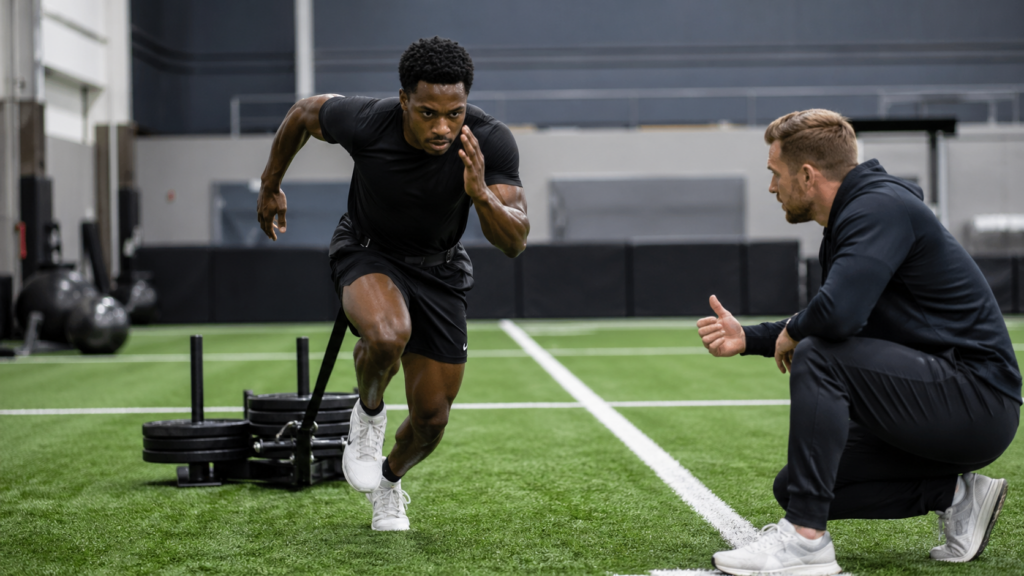
    A marathoner, a powerlifter, a soccer player, and a CrossFit athlete should not train the same way just because they all want to “perform better.” Endurance athletes need a bigger aerobic base and careful load progression. Strength athletes need more focus on force production, technique, and recovery between intense efforts. Team-sport athletes need repeated-sprint ability, movement quality, and resilience amid congested schedules.

    Many plateaus happen because training doesn’t match the sport, competition calendar, or current level. Takeaway: Customizing plans to your needs drives progress.

    Load management is performance management.

    One clear theme in sports science: poor load management raises injury risk. The IOC consensus notes that mismanaged training and competition loads are a big risk factor for injury. Athletes differ in load response based on age, fitness, stress, and recovery. The IOC recommends frequent, individualized monitoring, not a single plan for all.

    In practical terms, this means monitoring not just the intensity of your training, but also the rate at which your workload increases. Most athletes are not injured by demanding workouts; they are injured when training loads escalate too quickly for their tissues to adapt.

    Sleep and stress are not optional extras.

    Athletes often treat sleep as a bonus rather than a performance tool. This view is backward. The CDC highlights that good-quality sleep boosts attention, memory, mood, stress management, and health. These benefits are essential for high-level training. Prioritize sleep to optimize your performance.

    Stress outside the gym matters. The IOC says non-sport stressors, like life stress and hassles, affect recovery and injury risk. It recommends adjusting training when psychological stress is high.

    Nutrition and supplements should be evidence-led.

    Most athletes should think about nutrition in this order: total calories, protein, carbohydrate timing, hydration, then supplements. Protein powders help you hit daily targets, but do not replace good meals. According to ISSN, creatine monohydrate is the most evidence-backed supplement for high-intensity exercise capacity and lean mass support.

    Hydration matters, too. ACSM’s exercise-fluid guidance aims to prevent excessive dehydration greater than 2% of body mass during exercise, and ACSM also notes that electrolyte products are often more about convenience than necessity, although athletes who sweat heavily may lose roughly 500 to 700 mg of sodium per hour of vigorous exercise.

    Step-by-Step Guide

    Step 1: Audit your current baseline

    Before changing anything, identify what’s actually holding you back. Key takeaway: Knowing your baseline prevents wasted effort and misdirected solutions.

    Look at the last four to six weeks and ask:

    • Are you sleeping enough?
    • Are you progressing key lifts, splits, paces, or repeat efforts?
    • Are you dealing with recurring soreness or little warning signs?
    • Are you under-eating on hard training days?
    • Are you doing too many hard sessions and not enough easy work?

    This baseline matters because the problem is often not where athletes think it is. The plateau you blame on programming may actually be caused by low protein intake, inconsistent sleep, or too much high-intensity work packed into the week.

    Step 2: Build your training around specificity and progression

    Your program should match your sport and your weakest limiting factor.

    Endurance athletes usually need a clear split between easy aerobic work, threshold work, and occasional high-intensity sessions. Strength athletes need progressive overload, enough quality volume, and movement patterns that align with their goals. Field and court athletes need speed, power, conditioning, and recovery built around practices and games.

    The IOC load consensus recommends appropriate prescription, monitoring, and adjustment of both external and internal loads to maximize adaptation and reduce injury risk. That is a good reminder to progress gradually instead of making random jumps in volume or intensity.

    A simple rule: Add training stress deliberately, not emotionally. Takeaway: Planned progression prevents setbacks and supports steady improvement.

    Step 3: Fix sleep before chasing advanced tactics

    If your sleep is poor, almost everything else becomes harder: reaching quality, recovering between sessions, controlling appetite, and staying healthy enough to train. The CDC recommends consistent bed and wake times, a cool, quiet room, fewer electronics before bed, and avoiding large meals, alcohol, and late caffeine close to bedtime (recommended not to have any after 3:00 pm).

    Protecting your sleep before and after key sessions yields the highest returns for many athletes. Takeaway: Strategic sleep improves performance and recovery, especially in demanding schedules.

    Step 4: Eat to support training, not just body composition

    Too many athletes underfuel because they try to stay lean year-round. That usually backfires. Low energy availability makes it harder to train well, recover well, and stay healthy.

    At a minimum, aim to:

    • Eat enough total calories to support your workload.
    • Spread protein across the day.
    • Center hard sessions around carbohydrate-rich meals or snacks.
    • Include fluids and sodium when training is long, hot, or very sweaty.

    ISSN notes that 1.4 to 2.0 g/kg/day of protein is sufficient for most exercising individuals, and general single-meal recommendations often range from 20 to 40 g of high-quality protein, depending on body size and context.

    Hydration should also be practical, not performative. ACSM’s guidance focuses on avoiding excessive dehydration, while its recent hydration guidance notes that many athletes can rehydrate well with regular foods and fluids, not just specialty products.

    If convenience is the issue, stock up on a reliable protein powder and a well-formulated electrolyte option so missed meals and hot sessions stop derailing your week.

    Step 5: Use supplements strategically

    Most supplements are optional. A few are genuinely useful.

    Creatine monohydrate is the standout for many athletes, especially lifters, sprinters, athletes in repeated-effort sports, and anyone looking for support for high-intensity training. ISSN describes creatine monohydrate as the most effective ergogenic nutritional supplement currently available for increasing high-intensity exercise capacity and lean body mass during training, and its position statement also outlines common loading and maintenance strategies.

    Protein powder is not “necessary,” but it is often practical. If whole-food intake is inconsistent, a shake can help you hit daily protein targets without overcomplicating your day. For teen athletes, athletes with medical conditions, or anyone taking multiple supplements, it is smart to involve a qualified sports dietitian or physician.

    Step 6: Track a few useful metrics

    You do not need a lab. You need signal, not noise.

    Track a small set of markers:

    • Sleep hours and sleep quality
    • Session difficulty
    • Weekly training volume
    • Resting mood and motivation
    • Performance markers such as pace, load, reps, jump height, or sprint repeatability
    • Pain that is getting worse, not better

    The load-monitoring consensus emphasizes that no single marker is enough and that loads should be monitored individually and frequently. In other words, your body does not care about generic averages. It responds to what you can currently tolerate. A good training watch or recovery wearable can make sleep, strain, and readiness trends much easier to monitor.

    Step 7: Schedule deloads and retest regularly

    Performance does not improve in a straight line. You need lighter periods to consolidate gains.

    That might mean a lighter week every fourth or fifth week, a lower-volume block after a competition stretch, or simply backing off when stress outside training spikes. The IOC consensus specifically recommends scheduling adequate recovery after intensive training periods, competitions, and travel, including nutrition, hydration, sleep, rest, and emotional support.

    Retest every few weeks. Not every day. Give the plan enough time to work before you decide it failed.

    Expert Tips

    Pair hard days with real recovery support.

    Hard sessions should get the best sleep, the best fueling, and the best hydration. Do not waste your toughest work by under-eating afterward or treating recovery like an afterthought.

    Keep the plan simple enough to repeat.

    The best performance plan is one you can stick to during busy weeks, travel, exams, and stressful work periods. Complexity looks impressive on paper. Consistency builds momentum and compounds over time.

    Use techniques when you are fresh.

    If your sport depends on skill, do the highest-quality technical work early in the session, before fatigue compromises movement. That applies to sprint mechanics, Olympic lifts, throwing, jumping, and change of direction.

    Make supplements earn their place.

    If a product does not solve a real problem, it is clutter. Start simple and with the basics, then add only what supports compliance, recovery, or performance.

    Common Mistakes

    Doing too much intensity.

    A lot of athletes say they are overtrained when they are really under-recovered and over-intense. Too many hard days flatten progress fast.

    Under-eating for the work required.

    This is especially common in endurance athletes trying to stay light and lifters trying to stay shredded year-round. It is hard to perform well when your body does not have enough fuel to adapt.

    Chasing supplement stacks before fixing basics.

    A fancy pre-workout will not fix a bad sleep schedule. A recovery powder will not fix poor load progression. Basics first.

    Ignoring pain because the schedule is crowded.

    Pain that changes your movement, worsens throughout the week, or lingers after warm-up deserves attention. The longer you ignore it, the harder it usually becomes to solve.

    Copying elite athletes without their support systems.

    Elite athletes often have better coaching, more recovery time, better medical support, and fewer lifestyle constraints. Borrow principles, not entire programs.

    Conclusion

    There is no shortcut to lasting progress, but there is a smarter path.

    Train specifically. Progress gradually. Sleep like it matters. Fuel like you mean it. Use supplements strategically, not emotionally. Monitor the trends that matter, and respect recovery enough to let adaptation happen.

    Ultimately, improving athletes’ performance is about stacking small advantages over time. The athletes who keep getting better are rarely the ones doing the most. They are the ones doing the right things consistently, recovering well enough to absorb training, and resisting the urge to chase every shiny solution.

    Start with one weak link this week. Fix that first. Then build from there. Consistency builds momentum, and momentum builds motivation.

    Resources: