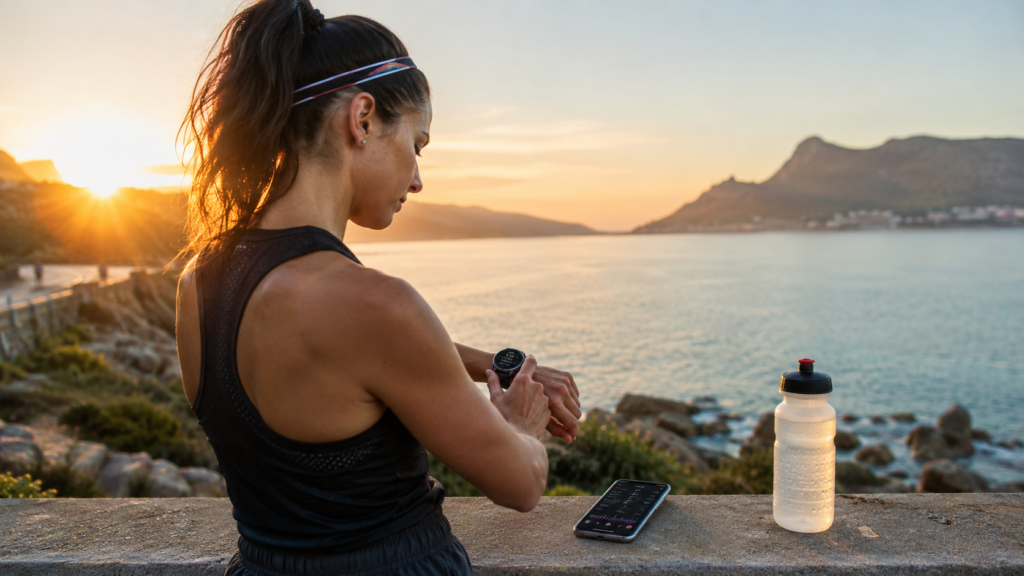
The Importance of Sleep Tracking for Athletic Performance
Sleep is a critical factor influencing multiple aspects of athletic performance, including recovery, decision-making, mood, training quality, and consistency. Reviews in athlete populations consistently associate improved sleep with enhanced physical and cognitive outcomes, and guidance from the Centers for Disease Control and Prevention (CDC) underscores that sleep habits directly impact overall health and daily functioning.
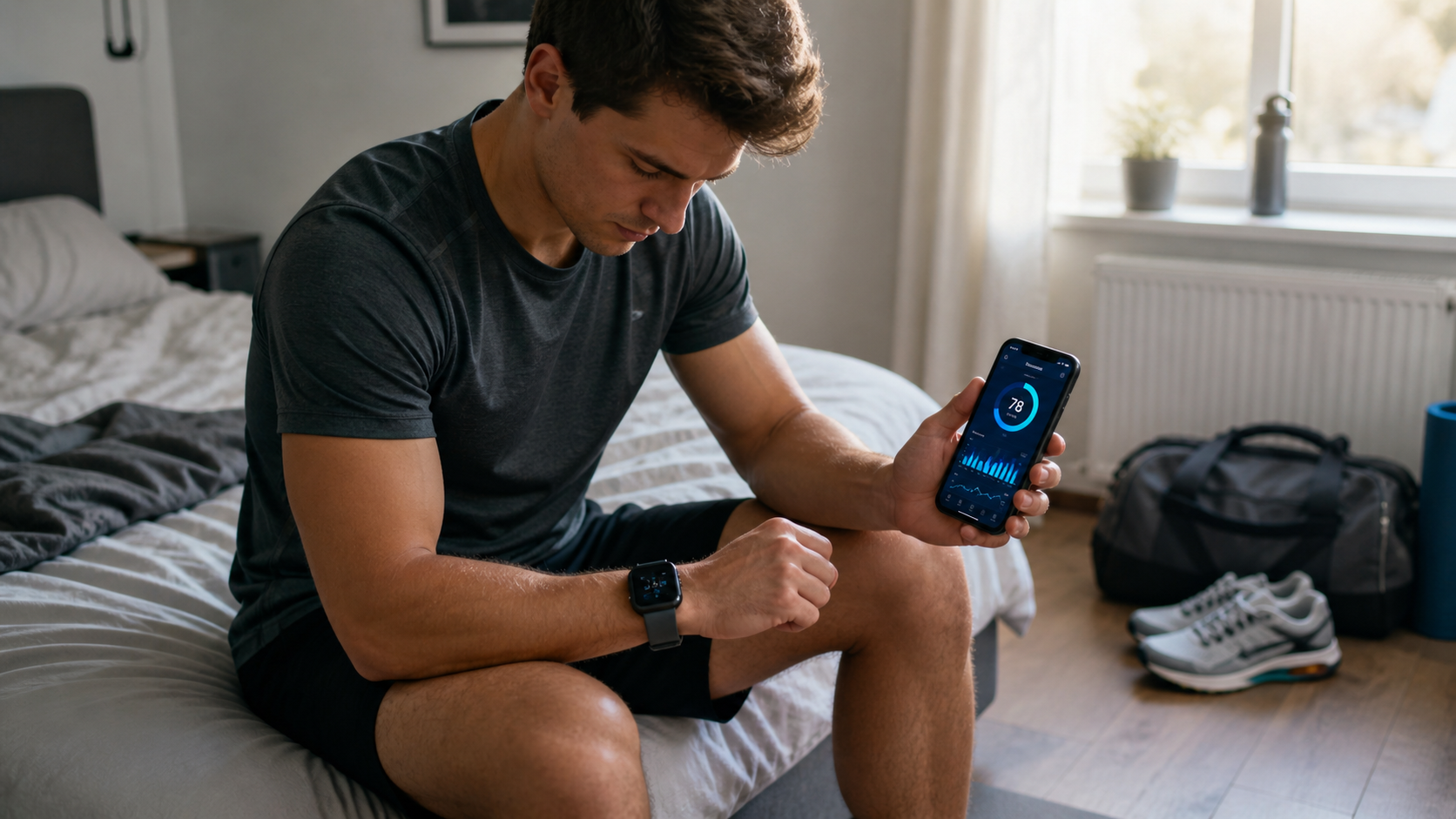
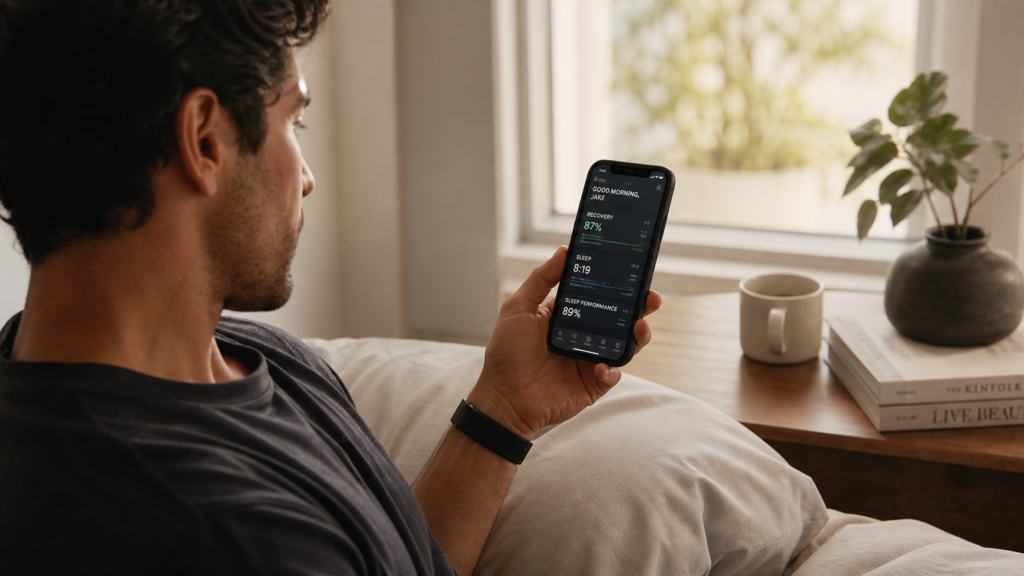
Consequently, sleep tracking has become more valuable for athletes than merely recording hours slept. Leading devices now analyze patterns such as heart rate variability (HRV), resting heart rate, sleep stages, recovery, and readiness, translating these metrics into actionable recommendations. This real-time feedback assists athletes experiencing performance plateaus, slow recovery, or risk of overreaching by linking inadequate sleep to suboptimal training decisions before significant setbacks occur.
This review highlights the five leading sleep tracking devices for athletes seeking comprehensive insights beyond basic bedtime reminders. The objective is not to identify a single universal winner, but rather to align each device with the specific needs of different athletes, sports, and budgets.
Device #1 – WHOOP 5.0: Best for Recovery Metrics and Strain Analysis
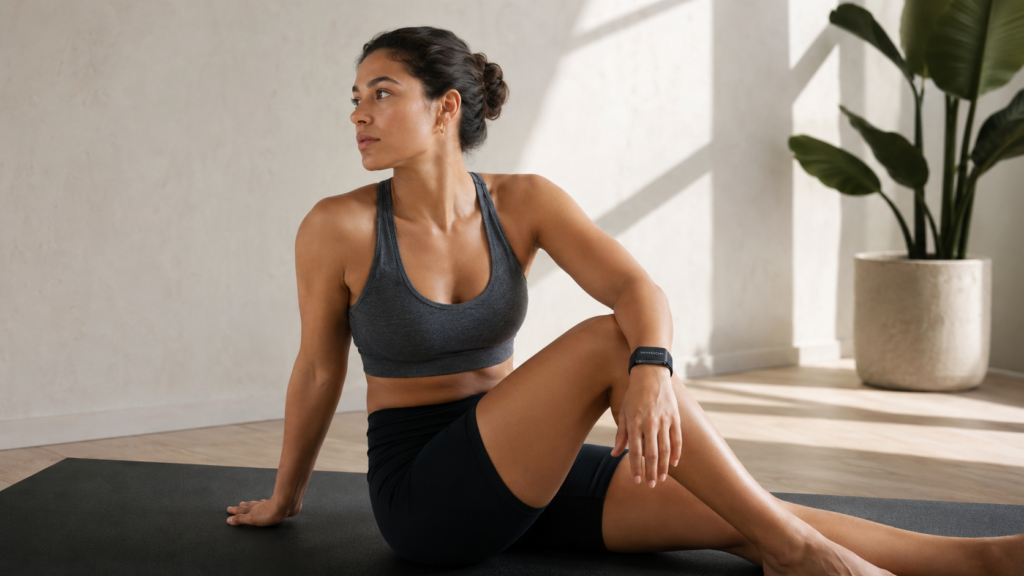
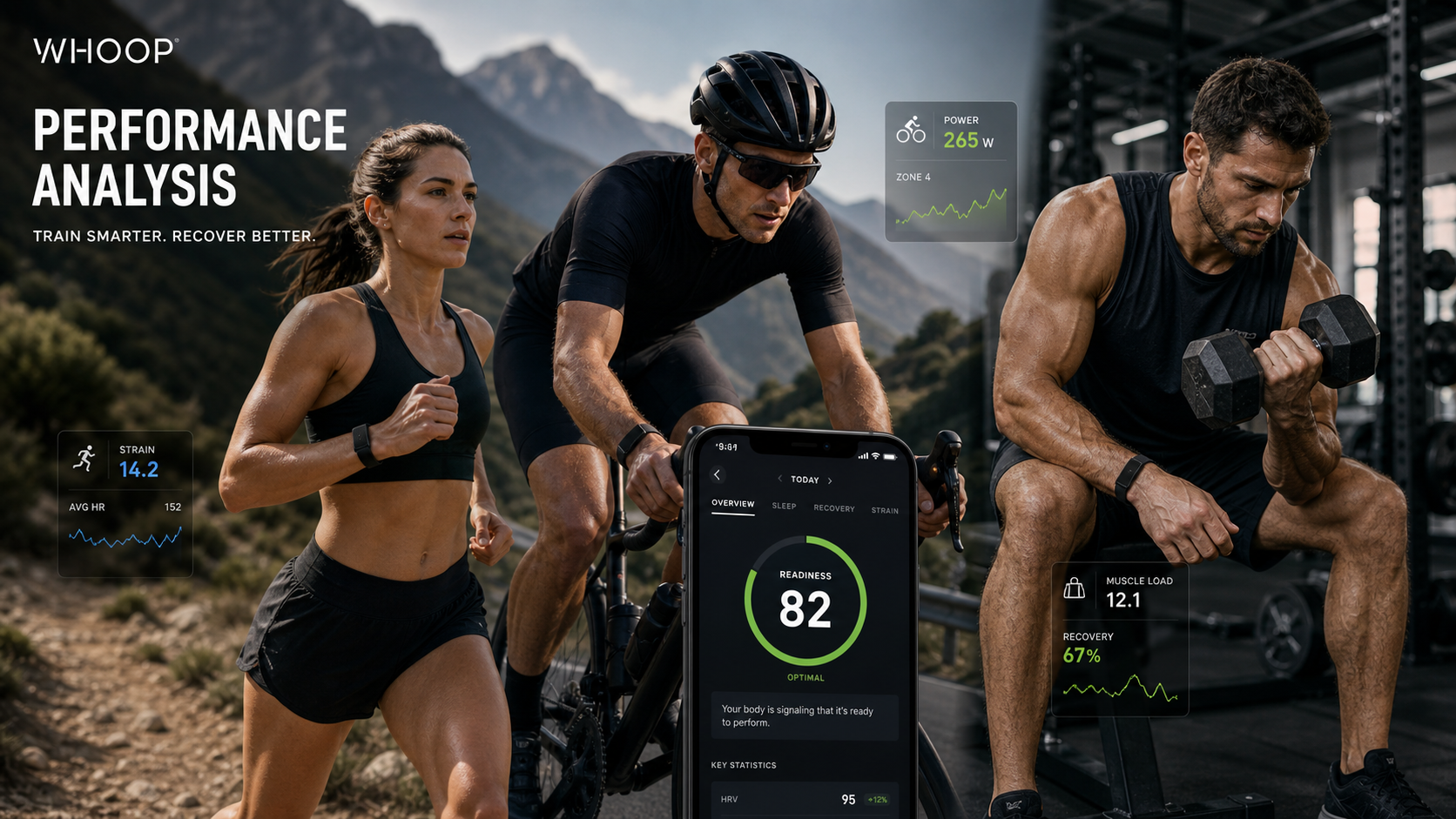
If your top priority is recovery-first coaching, WHOOP 5.0 is the strongest pick in this list. WHOOP’s platform is built around Sleep, Strain, and Recovery rather than around notifications or smartwatch convenience, and the company now markets WHOOP 5.0 with 14+ day battery life, personalized coaching, heart rate zones, and recovery-focused insights.
What makes WHOOP stand out for athletes is the way it turns sleep into a training decision. Instead of just telling you that you slept 6 hours and 43 minutes, it tries to answer the more important question: “How ready are you to train today?” That makes it particularly attractive for weekend warriors who tend to overdo it on hard days, and for endurance athletes balancing big training loads with limited recovery time.
Why Athletes Like it
WHOOP is excellent for people who want a recovery dashboard first and a wearable second.
It is especially strong for:
- Endurance athletes are managing cumulative fatigue.
- Recreational athletes who want guidance without a bulky watch face.
- Lifters and hybrid athletes who care about readiness, sleep, and strain trends more than smartwatch apps.
WHOOP’s newer lineup also includes different membership tiers. WHOOP One starts at $199 per year, Peak at $239, and Life at $359, with WHOOP 5.0 hardware tied to those membership plans. In other words, yes, this device requires a subscription.
Best fit
WHOOP 5.0 is best for athletes who want:
- The strongest recovery-first ecosystem.
- Simple, habit-driven coaching around sleep and strain.
- A wearable that fades into the background rather than acting like a full smartwatch.
Watch-outs
The main drawback is that WHOOP requires a subscription rather than a one-time purchase. If you do not like subscriptions, this could be a dealbreaker. WHOOP is best for athletes who will use the app and adjust their habits based on the data. If you want a screen on your wrist and classic smartwatch features, this probably is not the right choice for you.
Device #2 – Oura Ring 4: Best for Sleep Quality Insights and Readiness Score
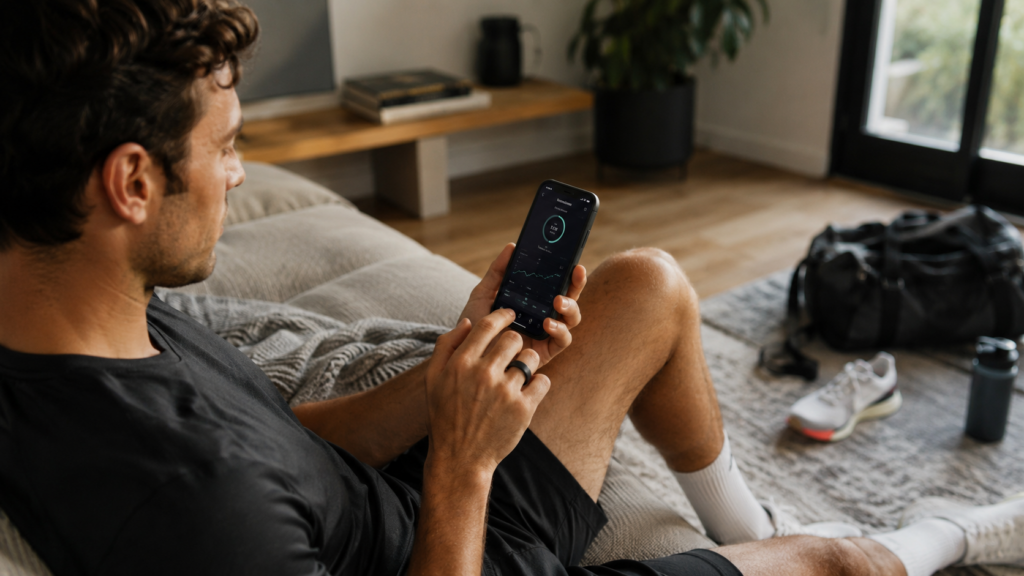
If you want a sleep-first device that is lighter, more discreet, and easier to wear 24/7 than a watch, Oura Ring 4 is the standout choice. Oura positions Ring 4 as a health-focused smart ring for sleep, activity, readiness, stress, and heart health, and its core pitch remains simple: better nightly insight with less wrist bulk.
For athletes, the big appeal is comfort. Some people simply sleep better in a ring than in a full watch, and that matters because the best sleep tracker is still the one you will actually wear every night. Oura’s Sleep Score and Readiness Score remain its headline features, with the company describing Sleep Score as a nightly 0–100 assessment of sleep quality and Readiness Score as a snapshot of how prepared you are for the day based on sleep, body signals, and activity.
Why athletes like it
Oura Ring 4 is a great match for:
- Collegiate athletes who want recovery insight without a sports watch look.
- Amateur athletes who prioritize comfort and simplicity.
- People who care about sleep quality trends more than on-wrist training features.
It is also easier to wear every day than most watches, especially if you want sleep and readiness insights without looking like you are always tracking yourself.
Subscription note
Oura is another device where the subscription matters. Oura Membership costs $5.99 per month or $69.99 per year, and new members get the first month free. Oura also states that membership unlocks deeper access to the data and insights that make the ring most valuable. So, yes, Oura effectively needs a subscription for the full experience.
Best fit
Pick Oura Ring 4 if you want:
- The best sleep-centric experience in the smallest form factor.
- Strong readiness and sleep-quality guidance.
- Something easier to wear overnight than a larger sports watch.
Watch-outs
The tradeoff is that Oura is not a full sports watch. It is better for sleep, recovery, and readiness than for being your all-in-one run, bike, or race device. Many endurance athletes will still prefer to pair Oura with a separate training watch rather than rely on it alone.
Device #3 – Garmin Forerunner 265: Best for Integrated Training and Sleep Tracking
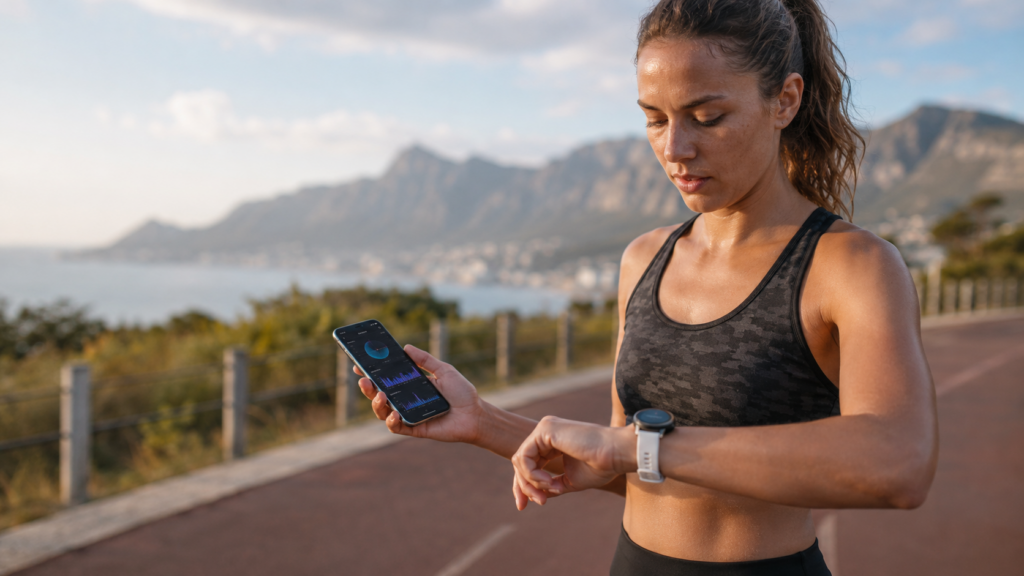
For the Garmin slot, the best current fit is the Forerunner 265. The Forerunner line is the best match for athletes who want serious training tools plus robust sleep tracking in one device. Garmin markets the Forerunner 265 with up to 13 days of battery life in smartwatch mode, Garmin Coach support, and advanced training and recovery insights.
What makes Garmin especially compelling is ecosystem integration. If you are already using structured workouts, GPS training, race prep, and recovery metrics, a Garmin watch can bring sleep into the same workflow, eliminating the need to manage two separate devices. Garmin’s sleep tools on compatible devices include total sleep, sleep stages, sleep score, naps, and Sleep Coach recommendations, while the broader Forerunner line also ties recovery insights into training readiness and planning.
Why athletes like it
Garmin Forerunner 265 is best for:
- Runners and triathletes who want training and sleep in one place.
- Endurance athletes who care equally about GPS, recovery, and race planning.
- Athletes who want more training depth than Oura or Fitbit offer.
Subscription note
Garmin’s core device features do not require a subscription. Garmin Connect+ exists as an optional premium plan, but Garmin says all existing Garmin Connect features and data remain free. That makes Garmin more attractive for buyers who want to avoid recurring costs while still getting meaningful sleep and recovery data.
Best fit
Choose Garmin if you want:
- One device for training, racing, and sleep.
- Stronger sports features than rings and basic trackers.
- A more complete endurance ecosystem without a required subscription.
Watch-outs
Garmin is excellent, but it is also more watch than some athletes need. If you mainly want sleep and readiness insight without maps, workouts, and endurance metrics, it may be overkill. Still, for endurance enthusiasts, this is arguably the most balanced option in the entire list.
Device #4 – Apple Watch Ultra 3: Best for Multisport Use and Sleep Stage Tracking
Apple Watch Ultra 3 is the best option here for athletes who want a true multisport smartwatch first and a strong sleep tracker second. Apple’s current lineup includes Ultra 3 as its top-end sports and adventure watch, and Apple highlights multisport transitions, GPS + Cellular, wrist temperature during sleep, and broader sleep and health features.
Apple’s sleep tracking continues to improve. Official support says the Apple Watch can estimate time spent in REM, Core, and Deep sleep stages, and with watchOS 26, Apple has also added a Sleep Score for supported Apple Watch models, including Ultra 3. That makes the platform more useful for athletes who want quick, understandable sleep feedback without giving up a polished smartwatch experience.
Why athletes like it
Apple Watch Ultra 3 is a strong fit for:
- The best all-around smartwatch experience.
- Very strong multisport functionality.
- Meaningful sleep-stage tracking without locking yourself into a recovery-only platform.
Watch-outs
The biggest limitation is that Apple Watch still works best for iPhone users who want broad smartwatch functionality, not just sleep and recovery. If your sole priority is a deep recovery ecosystem, WHOOP and Oura feel more focused. But if you want one premium device that handles training, life, and sleep well, Ultra 3 is hard to ignore.
Device #5 – Fitbit Charge 6: Best Budget Option for Sleep Trends and Daily Readiness
If price matters most, the Fitbit Charge 6 is the budget-friendly pick that still gives athletes useful sleep insight. Google’s product page continues to position Charge 6 as a premium fitness tracker, highlighting Fitbit’s sleep and readiness ecosystem, and official Fitbit support says sleep score, sleep stages, and readiness are built on sleep, HRV, and resting heart rate data.
The reason Charge 6 earns a spot in this ranking is simple: it covers the fundamentals well enough for a much lower buy-in than WHOOP, Oura, Garmin, or Apple Watch Ultra. For athletes on a student budget, that matters. If your real question is “How did I sleep?” and “Am I recovered enough to train hard today?” Charge 6 can get you useful answers without requiring a flagship-watch budget.
Why athletes like it
Fitbit Charge 6 is best for:
- Student-budget athletes.
- Recreational athletes who want sleep trends without a premium smartwatch price.
- Users who care more about sleep score, readiness, and basic daily guidance than advanced endurance tools.
Subscription note
This one is a little nuanced. Core sleep tracking does not require a subscription, and Google support says Daily Readiness is now available to Fitbit users in the app. Fitbit Premium remains optional for additional features and content, but it is no longer accurate to treat readiness as strictly paywalled as it used to be.
Best fit
Pick Charge 6 if you want:
- The lowest-cost entry into meaningful sleep tracking on this list.
- A lighter, simpler device than a full smartwatch.
- Enough sleep and readiness data to guide better daily decisions.
Watch-outs
The compromises are exactly what you would expect: less advanced training depth than Garmin, less premium polish than Apple Watch Ultra 3, and less recovery-specific sophistication than WHOOP or Oura. But for athletes who want value first, that tradeoff can be completely worth it.
How to Choose the Right Device Based on Your Sport and Budget
There is no universal winner because different athletes need different things. If you want the most recovery-focused coaching, go with WHOOP 5.0. If you want the most comfortable sleep-first wearable, choose Oura Ring 4. If you want one device that handles both endurance training and sleep seriously, the Garmin Forerunner 265 is the smartest pick. If you want the best all-around smartwatch for sports and everyday life, the Apple Watch Ultra 3 makes the most sense. If you want the best value, the Fitbit Charge 6 is the budget play.
The biggest buying mistake athletes make is paying for features they will never use. A runner training for marathons does not need the same thing as a college athlete who wants a watch for workouts, school, messages, and sleep. A weekend warrior who needs recovery guardrails may get more value from WHOOP than from a more complicated sports watch. And a student on a tight budget might get everything they truly need from the Fitbit Charge 6.
That is the real takeaway from the top 5 best sleep-tracking devices: the best device is the one that helps you change behavior, recover better, and train more intelligently without creating friction. If it makes you sleep more consistently, notice fatigue earlier, and stop guessing about recovery, it is doing its job.