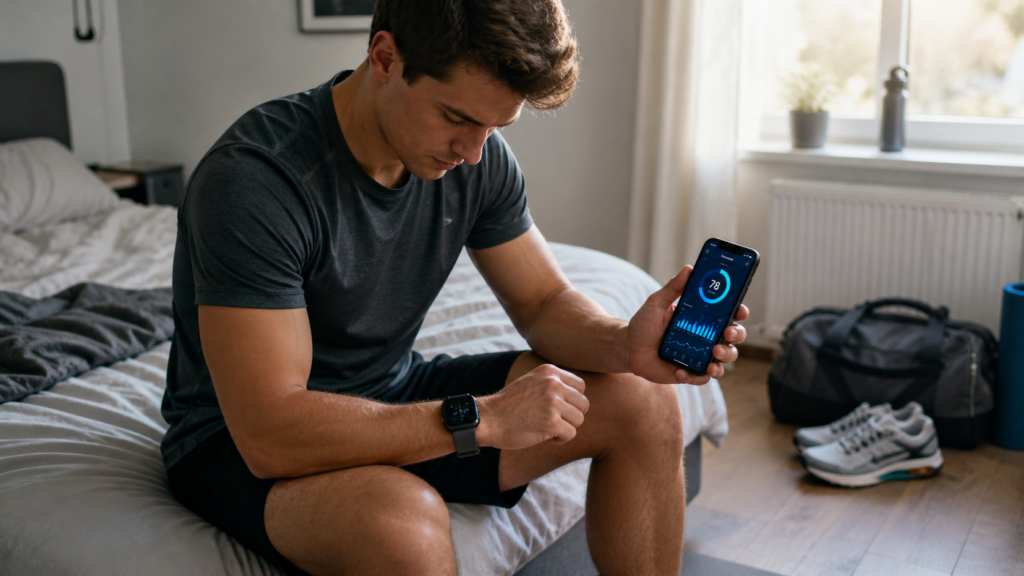
Introduction – Why Sleep Is the Secret Weapon for Athletic Performance
Many athletes focus on training plans, supplements, and new gear before they address the most important recovery tool they already have: sleep. This is a common mistake. Sleep is not just downtime. It is when your brain and body do the work needed to adapt to training, recover between sessions, and get ready to perform again. Good sleep is vital for health, emotional well-being, and daily functioning. For athletes, it also helps with decision-making, reaction time, mood, and staying consistent in training.
This is important for all types of athletes. Recreational athletes need sleep to keep making progress, even with busy jobs and family life. High school and college athletes need it because they juggle early mornings, schoolwork, travel, and late practices. Endurance athletes rely on sleep to handle high training volumes, while strength and power athletes need it to keep up their performance and recover well. Studies show that athletes often do not get enough good-quality sleep, but those who do tend to perform better in competition.
The good news is that you can improve your sleep by changing your habits, environment, routines, and schedule. This guide will show athletes practical ways to get better sleep that fit into real training and everyday life.
1. The Science of Sleep and Athletic Recovery
Deep sleep, REM sleep, and why both matter
Sleep is not one uniform state. It cycles through non-REM and REM sleep multiple times each night. NHLBI explains that non-REM sleep includes three stages, with stage 3 being deep sleep or slow-wave sleep, and that people usually spend more time in deep sleep earlier in the night. NIH sources also note that REM sleep increases later in the night, which is one reason cutting sleep short in the morning can disproportionately trim REM-rich sleep.
For athletes, that structure matters. Deep sleep is closely tied to physical restoration, while REM sleep is especially relevant for learning, memory, and neural processing. That makes sleep important not only for tissue recovery and energy restoration, but also for skill acquisition, tactical learning, and emotional regulation under pressure. Reviews focused on sleep and athletic performance repeatedly connect better sleep with better reaction time, accuracy, cognitive performance, and overall recovery.
Hormonal balance and recovery
Athletes often feel the effects of poor sleep before they know why. Motivation drops, workouts feel tougher, appetite changes, and recovery seems slower. This is not just your imagination. Research shows that lack of sleep can upset hormone balance, raising cortisol and sometimes lowering testosterone or reducing the body’s ability to recover. One bad night will not ruin your season, but not getting enough sleep over time can make it harder to recover and improve.
Sleep extension works
One of the most encouraging findings in sports-sleep research is that more sleep often helps. A 2023 review on sleep interventions in athletes found that increasing sleep duration at night, or using naps strategically, was among the most effective ways to improve physical and cognitive performance. Earlier studies in athletes have shown improvements in sport-specific outcomes after sleep extension, including basketball and tennis performance, while endurance work may also be better maintained after several nights of extended sleep compared with normal or restricted sleep.
This is an important change in how you think about sleep. Many athletes only focus on sleep when they feel tired. Instead, treat sleep as a key part of your performance, just like your training or nutrition.
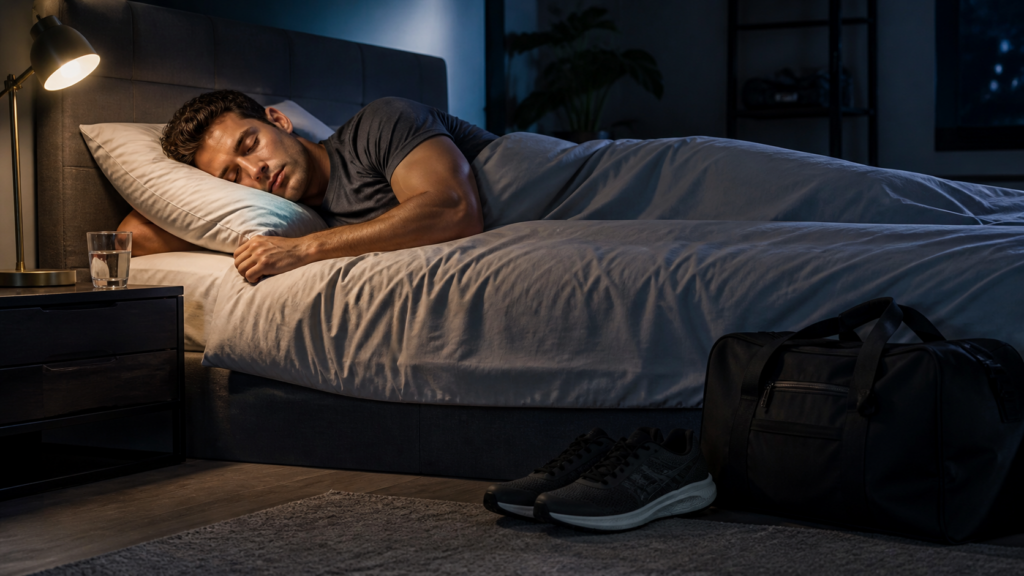
2. Common Sleep Disruptors for Athletes
Overtraining and accumulated fatigue
Athletes can lose sleep for reasons beyond bad habits. Sometimes, the training itself is the issue. Hard training blocks, competition stress, soreness, and a highly active nervous system can all make it tough to fall or stay asleep. Studies show that sleep problems are common during intense training, and not getting enough sleep can make recovery even harder when stress is high.
Late workouts: not always bad, but intensity matters
It is important to be specific here. Not all evening exercise ruins sleep. A major review found that most evening workouts do not automatically harm sleep and can often fit into a healthy routine. However, new research shows that very hard training, especially if it ends within four hours of bedtime, is more likely to make it harder to fall asleep and recover. Simply put, a light workout at night is usually fine, but tough intervals late at night can cause problems.
Travel and jet lag
Travel is one of the biggest sleep killers for serious athletes. Crossing time zones can desynchronize light exposure, meal timing, melatonin rhythms, and sleep opportunity. Reviews on athlete travel and jet lag emphasize that long-haul travel can impair sleep and performance, and that useful countermeasures include planned light exposure, smart training timing, meal timing, and sometimes short-term melatonin use when appropriate.
Stress, school, and life load
Sleep does not happen in a vacuum. Student athletes often face early school start times, homework, social pressure, and late practices all at once. Adults may be trying to train around work, parenting, screens, and inconsistent schedules. CDC guidance notes that teens need 8 to 10 hours of sleep, adults aged 18 to 60 need 7 or more hours, and later school start times are associated with more adolescents getting enough sleep.
For many athletes, the main issue is not one big mistake. It is a mix of small habits, like having caffeine late, using screens before bed, eating late meals, feeling stressed, and going to bed at different times each night.
Practical Sleep Hygiene Strategies for Athletes
Build a real bedtime routine.
The CDC’s practical guidance is refreshingly simple: go to bed and get up at the same time every day, keep the bedroom quiet and cool, turn off electronics at least 30 minutes before bed, avoid large meals and alcohol before bed, and avoid caffeine in the afternoon or evening. Those basics are not glamorous, but they work because they reduce physiological and psychological friction around sleep.
An athlete’s bedtime routine does not have to be complicated. It can be as easy as dimming the lights, taking a warm shower, setting out your gear for tomorrow, having a glass of water, and reading for 10 to 20 minutes. The key is to be consistent. Your body sleeps better when it gets the same signals every night.
Fix the sleep environment.
Many athletes buy recovery gadgets before fixing the room where they actually recover. A good sleep setup is usually dark, cool, quiet, and free of screen light. If you have roommates, travel a lot, or cannot control noise, simple tools like blackout curtains, earplugs, white-noise machines, or a sleep mask can help. The CDC also recommends keeping your room cool, quiet, and limiting electronics before bed.
Use nutrition to support sleep, not sabotage it.
Athletes should use pre-sleep nutrition to help, not hurt, their sleep. Going to bed very hungry or too full can make it harder to sleep. Alcohol might make you sleepy at first, but it can disturb your sleep later. Caffeine is often a bigger problem, especially if you have it in the afternoon through pre-workouts, energy drinks, or big coffees. The CDC and other experts recommend avoiding caffeine after 3:00pm if you have trouble sleeping.
Research on nutrition for better sleep in athletes is promising, but not always clear. A 2025 review found that diet and supplements can help in some cases, but they should be used along with good sleep habits, not instead of them. The best approach is to fix your routines first, then see if specific nutrition strategies are worth trying.
Naps can help, if used well.
Short naps can help when you do not get enough sleep at night, especially during hard training, travel, or early mornings. Research in athletes suggests naps can support performance and recovery, but the ideal length depends on the goal. A 20-30-minute nap is usually best for a quick boost in alertness, reaction time, and mood while minimizing grogginess. Longer naps can also help, though they are more likely to leave you feeling sluggish if you wake at the wrong point in the sleep cycle.
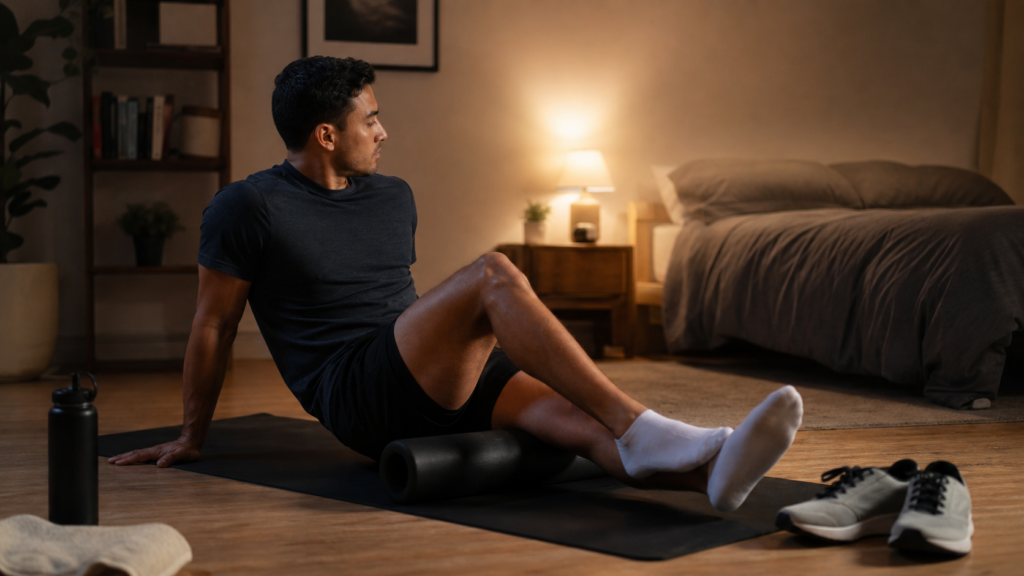
Sleep Tracking and Optimization Tools
Wearables and apps
Sleep wearables can be useful, but they are best for spotting trends, not for medical accuracy. Consumer trackers are improving at showing sleep patterns, but they are not as precise as clinical sleep tests. Their main benefit is helping athletes see how factors like late caffeine intake, alcohol, travel, or training times affect their sleep over time. A few examples of these wearables include WHOOP, Garmin, and Fitbit, which all track your sleep trends.
However, do not let the data make you anxious. Worrying too much about sleep scores can be unhelpful if it causes stress about getting perfect sleep. Use trackers for feedback, not to panic over one bad night. The overall trend is more important than any single score.
Supplements for better sleep
Supplements can help, but they are not the main solution. Melatonin is most effective for short-term issues like jet lag, and research supports its careful use for athletes traveling across time zones.
Magnesium can be a reasonable add-on for athletes who have trouble winding down at night, especially if their sleep is inconsistent or their magnesium intake is low. Before bed, magnesium is commonly used because it appears to help regulate processes involved in sleep and relaxation, and the research suggests it may modestly improve insomnia symptoms, sleep quality, sleep efficiency, and sleep onset in some people. The benefits are not guaranteed, and magnesium is best framed as a supportive tool rather than a cure-all, but it may be more useful for people who already have poor sleep or low magnesium status.
GABA is the brain’s main inhibitory neurotransmitter, so GABA supplements are often marketed to promote calmness before bed. Some small studies have found that oral GABA may help people fall asleep faster and may increase non-REM sleep, but larger reviews say the evidence for sleep benefits is limited. For that reason, GABA should be seen as a possible helper for some athletes, not a proven fix, and it should come after basics like a regular sleep schedule, smart caffeine timing, and a better sleep environment.
The safest approach is to use supplements only to support a good sleep routine, not to replace it. Some athletes may benefit in certain situations. If you are a teen, take medication, or have a medical condition, talk to a healthcare professional before trying sleep aids.
Sample Sleep Schedule and Recovery Plan for Different Athlete Types
Weekend warrior
If you train before work or on weekends, being consistent is more important than being perfect. Try to keep your bedtime and wake time steady, even on days off, and get at least 7 hours of sleep—more if you are training hard. Have caffeine earlier in the day, and avoid staying up late on Friday, and try to catch up on sleep all weekend.
A simple template recommendation:
- Bed by 10:30–11:00 p.m.
- Wake around 6:30–7:00 a.m.
- Hard sessions earlier in the day, when possible
- Short nap only if nighttime sleep was clearly inadequate
Competitive high school or collegiate athlete
High school and college athletes need more sleep but often get less. Teens aged 13 to 17 should get 8 to 10 hours, but early school and late practices make this hard. The best strategy is to protect the first and last hour of your day: avoid screens late at night, prepare meals and gear ahead of time, and stick to a regular bedtime routine.
A simple template recommendation:
- Bed by 10:00–10:30 p.m. when possible
- Wake based on school schedule, ideally allowing 8+ hours.
- Use short naps after school only when needed.
- Cut off caffeine around 3:00pm, especially pre-workouts
Endurance enthusiast
Endurance athletes often gain the most from getting extra sleep because their recovery needs are high. If you are training with lots of mileage or volume, focus on spending more time in bed before turning to supplements. Research shows that more sleep can help maintain both physical and mental performance.
A simple template recommendation:
- Add 30 to 60 minutes of time in bed during build weeks.
- Protect sleep after your longest sessions.
- Use naps sparingly and strategically after travel or very early starts.
- Avoid stacking long training, late caffeine, and late meals on the same day.
Along with this, endurance and team-sport athletes usually benefit from recovery-friendly tools like Hyperice, Normatech, and Therabody.
Conclusion – Actionable Steps to Improve Sleep and Dominate Your Next Game or Race
The most common mistake athletes make is thinking sleep just happens by chance. In reality, better sleep comes from better habits: regular bedtimes, smart caffeine use, less late-night activity, a good sleep environment, and a training plan that allows for recovery. Research clearly shows that sleep is important for physical and mental performance, recovery, and long-term training success.
Start with simple changes. Do not try to fix everything at once. Choose one area to improve this week—like moving caffeine earlier, dimming the lights sooner, finishing hard workouts earlier, making your room darker, or giving yourself more time in bed. Track how you feel and perform over the next two weeks. That is how you turn this guide into real results.
Resources:
https://www.cdc.gov/sleep/about/index.html
https://www.nhlbi.nih.gov/health/sleep/stages-of-sleep
https://pmc.ncbi.nlm.nih.gov/articles/PMC4008810
https://pmc.ncbi.nlm.nih.gov/articles/PMC9960533
https://pmc.ncbi.nlm.nih.gov/articles/PMC9843114
https://pubmed.ncbi.nlm.nih.gov/29135639
https://pmc.ncbi.nlm.nih.gov/articles/PMC12610528
https://pubmed.ncbi.nlm.nih.gov/37462808
https://pmc.ncbi.nlm.nih.gov/articles/PMC10354314
https://pubmed.ncbi.nlm.nih.gov/30374942
https://pmc.ncbi.nlm.nih.gov/articles/PMC12000559
https://pmc.ncbi.nlm.nih.gov/articles/PMC8279034
https://pmc.ncbi.nlm.nih.gov/articles/PMC10520441
https://pmc.ncbi.nlm.nih.gov/articles/PMC3435929
https://pmc.ncbi.nlm.nih.gov/articles/PMC10654909
https://pmc.ncbi.nlm.nih.gov/articles/PMC5263088
https://pmc.ncbi.nlm.nih.gov/articles/PMC12567717
https://www.mdpi.com/2075-4663/13/10/342
https://www.cdc.gov/physical-activity-education/staying-healthy/sleep.html